
Introduction
Have you ever wondered why some people seem to have endless energy while others feel tired throughout the day? The answer often starts with what they eat. Healthy eating isn’t about following strict diets or giving up your favorite foods. Instead, it’s about making smarter choices that nourish your body and improve your overall well-being.
In this guide, we’ll explore the best Healthy Eating Tips that are easy to follow, practical, and suitable for everyone. Whether you’re trying to lose weight, boost your energy, or simply develop better eating habits, these tips will help you build a healthier lifestyle one meal at a time.
What Are Healthy Eating Tips?
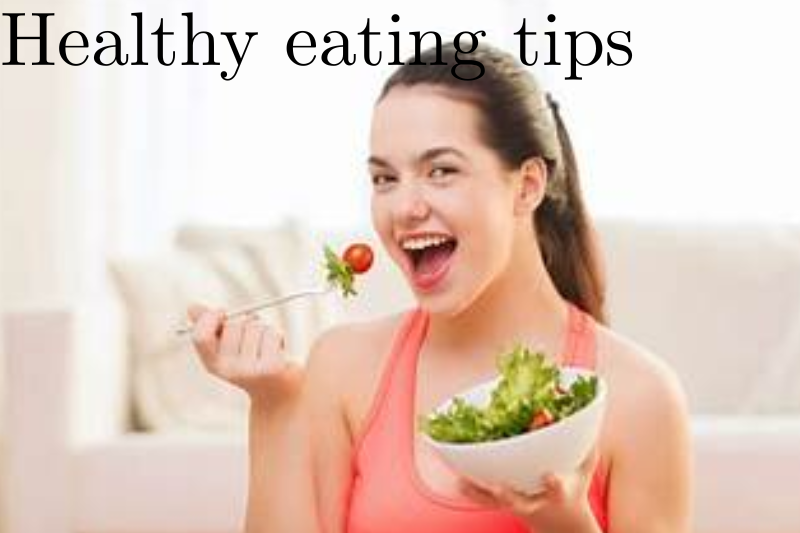
Healthy Eating Tips are simple habits that encourage you to choose nutritious foods, eat balanced meals, and maintain a healthy relationship with food. Instead of focusing on restrictions, healthy eating emphasizes enjoying a variety of nutrient-rich foods while limiting highly processed items, added sugars, and excessive salt. Health authorities such as the CDC and WHO recommend building meals around vegetables, fruits, whole grains, lean proteins, healthy fats, and fiber-rich foods.
Why Healthy Eating Matters
The food you eat affects almost every part of your body. A balanced diet can:
- Increase your energy levels
- Support a healthy weight
- Improve heart health
- Strengthen your immune system
- Enhance brain function and concentration
- Promote healthy skin and digestion
- Reduce the risk of chronic diseases like diabetes and heart disease
Healthy eating is not a short-term goal—it’s a lifelong investment in your health.
Top Healthy Eating Tips You Can Start Today
1. Fill Half Your Plate with Fruits and Vegetables
Colorful fruits and vegetables are packed with vitamins, minerals, antioxidants, and fiber. Try to include different colors in your meals every day.
Examples include:
- Spinach
- Broccoli
- Carrots
- Apples
- Berries
- Oranges
2. Choose Whole Grains
Replace refined grains with whole-grain options like:
- Brown rice
- Oats
- Whole wheat bread
- Quinoa
Whole grains provide more fiber and keep you feeling full longer.
3. Eat More Lean Protein
Protein helps build muscles and keeps your body strong.
Healthy protein sources include:
- Chicken
- Fish
- Eggs
- Lentils
- Beans
- Tofu
- Greek yogurt
4. Drink More Water
Water is essential for every function in your body. Aim to drink enough water throughout the day and replace sugary drinks with water whenever possible.
5. Reduce Processed Foods
Highly processed foods often contain added sugars, unhealthy fats, and excess sodium. Cooking more meals at home and choosing minimally processed foods can improve your overall diet.
6. Don’t Skip Breakfast
A healthy breakfast gives your body the energy it needs to start the day.
Good breakfast ideas include:
- Oatmeal with berries
- Eggs and whole wheat toast
- Greek yogurt with fruit
- Smoothies made with fresh ingredients
7. Practice Portion Control
Even healthy foods should be eaten in reasonable amounts.
Simple tricks include:
- Using smaller plates
- Eating slowly
- Listening to your hunger signals
8. Plan Your Meals
Meal planning helps you avoid unhealthy last-minute food choices and saves time and money.
9. Snack Smart
Choose snacks that provide nutrition instead of empty calories.
Healthy snack ideas:
- Fresh fruit
- Nuts
- Carrot sticks
- Hummus
- Cottage cheese
- Unsweetened yogurt
10. Enjoy Healthy Fats
Healthy fats are important for brain and heart health.
Good sources include:
- Avocados
- Olive oil
- Almonds
- Walnuts
- Chia seeds
- Fatty fish like salmon
Healthy Eating Tips for Busy People
If your schedule is packed, healthy eating is still possible.
- Prepare meals ahead of time.
- Keep healthy snacks nearby.
- Carry a reusable water bottle.
- Choose grilled foods instead of fried foods.
- Read nutrition labels before buying packaged foods.
Small changes can make a big difference over time.
Common Healthy Eating Mistakes
Many people unintentionally make these mistakes:
- Skipping meals
- Drinking sugary beverages regularly
- Eating too much fast food
- Ignoring portion sizes
- Eating while distracted by TV or phones
- Not getting enough fruits and vegetables
Avoiding these habits can significantly improve your health.
Sample One-Day Healthy Meal Plan
Breakfast
- Oatmeal with banana and almonds
Morning Snack
- Apple with peanut butter
Lunch
- Grilled chicken
- Brown rice
- Mixed vegetables
Afternoon Snack
- Greek yogurt with berries
Dinner
- Baked salmon
- Steamed broccoli
- Sweet potato
Evening Snack
- A handful of mixed nuts
You amy also like to read these posts:
Healthy Eating Tips for Weight Management
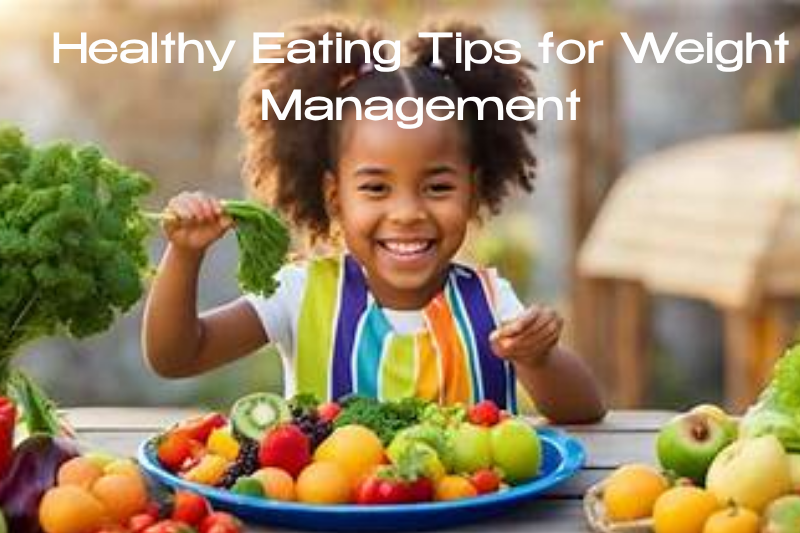
If your goal is maintaining or losing weight, remember these tips:
- Eat slowly.
- Include protein in every meal.
- Increase your fiber intake.
- Drink water before meals.
- Avoid sugary drinks.
- Stay physically active.
- Get enough sleep, since poor sleep can affect appetite and weight management.
Final Thoughts
Healthy eating doesn’t require perfection. It simply means making better choices more often. Start with one or two Healthy Eating Tips, practice them consistently, and gradually add more healthy habits to your routine.
Remember, every healthy meal is a step toward a stronger body, a sharper mind, and a happier life. Focus on progress rather than perfection, and you’ll build habits that last for years to come.
Frequently Asked Questions (FAQs) About Healthy Eating Tips
1. What are the best Healthy Eating Tips for beginners?
If you are just starting your healthy eating journey, begin with simple changes instead of making major restrictions. Some of the best Healthy Eating Tips for beginners include adding more fruits and vegetables to your meals, drinking enough water, choosing whole grains, eating more protein, reducing processed foods, and practicing portion control. Small consistent changes are easier to maintain than strict diets.
2. Why is healthy eating important?
Healthy eating provides your body with essential nutrients needed for energy, growth, and proper functioning. A balanced diet can support a healthy immune system, improve digestion, maintain a healthy weight, improve concentration, and reduce the risk of health problems such as heart disease and type 2 diabetes.
3. Can healthy eating help with weight loss?
Yes, healthy eating can support weight loss when combined with regular physical activity and a balanced lifestyle. Eating more fiber-rich foods, lean proteins, vegetables, and whole grains can help you feel full for longer while reducing unnecessary calorie intake.
4. Do I need to completely stop eating my favorite foods?
No. Healthy eating does not mean you must eliminate all your favorite foods. The key is balance and moderation. You can enjoy occasional treats while focusing on nutritious foods most of the time.
5. How much water should I drink every day?
Water needs vary depending on age, activity level, climate, and overall health. A good habit is to drink water regularly throughout the day and increase intake during exercise or hot weather. Listening to your body’s thirst signals can help you stay hydrated.