
Have you ever felt confused about what you should eat? You’re not alone. With so much nutrition advice online, it’s easy to feel overwhelmed. The good news is that healthy eating doesn’t have to be complicated. By following a few simple nutrition tips for beginners, you can improve your energy, support your overall health, and build eating habits that last.
In this guide, we’ll walk through practical and realistic tips that anyone can follow—without giving up all of their favorite foods.
Why Nutrition Matters
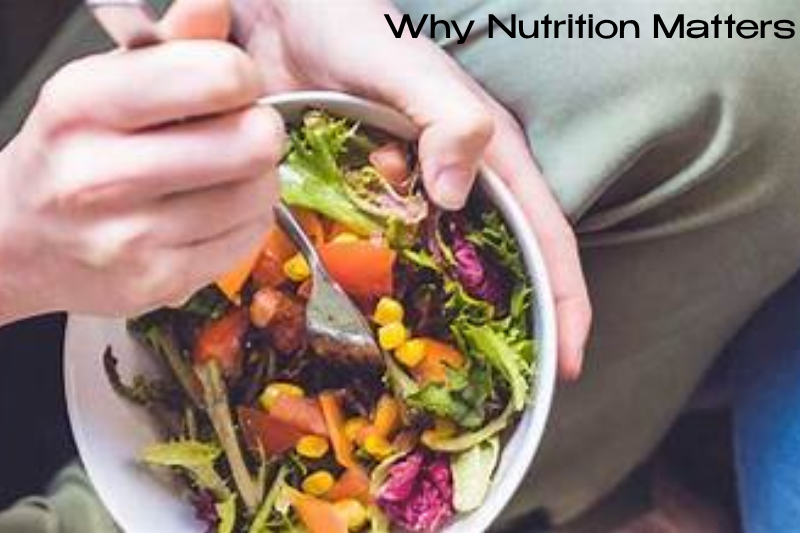
Think of your body like a car. It needs the right fuel to perform well. The food you eat provides the vitamins, minerals, protein, healthy fats, and carbohydrates your body needs to function every day.
Good nutrition can help you:
- Increase your energy levels
- Support a healthy immune system
- Improve digestion
- Maintain a healthy weight
- Reduce the risk of long-term health problems
- Feel better both physically and mentally
Experts recommend focusing on whole, nutrient-rich foods while limiting highly processed foods, added sugars, and excess sodium.
1. Start with Small Changes
One of the biggest mistakes beginners make is trying to change everything at once. Instead, focus on one healthy habit each week.
For example:
- Drink one extra glass of water daily.
- Add vegetables to one meal each day.
- Replace sugary drinks with water or unsweetened tea.
- Choose whole-grain bread instead of white bread.
Small changes are easier to maintain and often lead to lasting results.
2. Build a Balanced Plate
A balanced meal doesn’t have to be perfect. A simple way to eat healthier is to include:
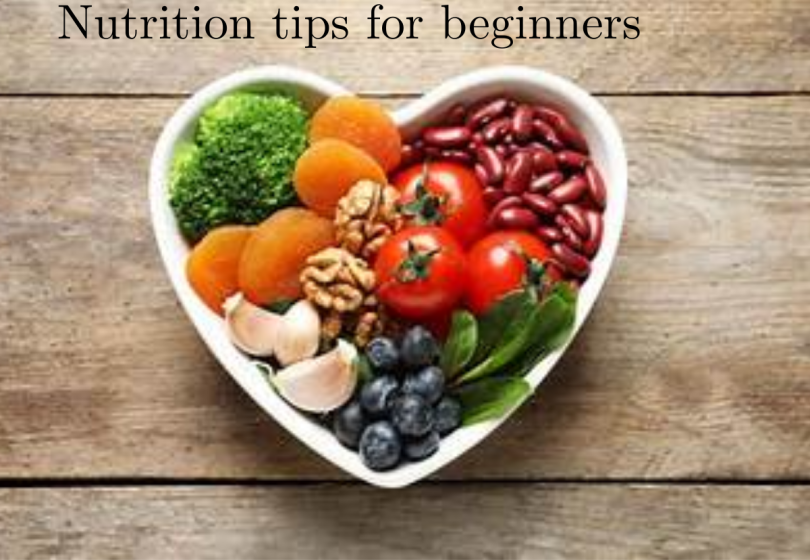
- Half your plate with vegetables and fruits
- One-quarter with lean protein like chicken, fish, eggs, beans, or tofu
- One-quarter with whole grains such as brown rice, oats, or whole wheat bread
- A small amount of healthy fats like olive oil, nuts, seeds, or avocado
This combination helps provide your body with the nutrients it needs.
3. Eat More Fruits and Vegetables
Fruits and vegetables are packed with vitamins, minerals, fiber, and antioxidants. They support digestion, heart health, and your immune system.
Try adding:
- Berries to breakfast
- A side salad with lunch
- Steamed vegetables with dinner
- Fresh fruit as a snack
Aim to include different colors throughout the week because different colors provide different nutrients.
4. Choose Whole Grains
Whole grains contain more fiber and nutrients than refined grains.
Better choices include:
- Oatmeal
- Brown rice
- Quinoa
- Whole wheat bread
- Whole grain pasta
Fiber helps you stay full longer and supports healthy digestion.
5. Don’t Skip Protein
Protein helps build muscles, repair tissues, and keeps you feeling satisfied after meals.
Healthy protein sources include:
- Eggs
- Chicken
- Fish
- Greek yogurt
- Lentils
- Beans
- Tofu
- Nuts and seeds
Try including a source of protein in every meal.
6. Stay Hydrated
Water is essential for almost every function in your body.
Many people mistake thirst for hunger, so staying hydrated may also help prevent unnecessary snacking.
A few easy tips:
- Carry a reusable water bottle.
- Drink water before meals.
- Choose water instead of sugary beverages whenever possible.
7. Limit Processed Foods
Highly processed foods often contain added sugars, unhealthy fats, and large amounts of sodium.
Instead of completely avoiding them, aim to eat more whole foods such as:
- Fresh fruits
- Vegetables
- Whole grains
- Lean proteins
- Nuts and seeds
Healthy eating is about balance—not perfection.
8. Learn to Read Food Labels
Reading nutrition labels helps you understand what you’re eating.
Pay attention to:
- Serving size
- Added sugars
- Sodium
- Fiber
- Protein
- Saturated fat
This simple habit can help you make smarter food choices.
9. Plan Your Meals
Meal planning saves time, reduces stress, and makes healthy eating easier.
Start by planning:
- Breakfast
- Lunch
- Dinner
- Healthy snacks
Preparing meals ahead of time also reduces the temptation to order fast food.
10. Enjoy Your Favorite Foods in Moderation
Healthy eating doesn’t mean giving up pizza, ice cream, or desserts forever.
The key is moderation.
If you enjoy your favorite treats occasionally while eating nutritious meals most of the time, you’ll find healthy eating much easier to maintain.
You may also like to read these posts:
Common Nutrition Mistakes Beginners Should Avoid

Many beginners make similar mistakes when starting their nutrition journey.
Avoid these common habits:
- Skipping meals
- Following extreme diets
- Drinking too many sugary beverages
- Eating too little protein
- Ignoring portion sizes
- Expecting instant results
Remember, consistency always beats perfection.
A Simple One-Day Healthy Meal Example
Breakfast
- Oatmeal with berries and almonds
Snack
- Apple with peanut butter
Lunch
- Grilled chicken, brown rice, and mixed vegetables
Snack
- Greek yogurt
Dinner
- Baked salmon, sweet potato, and broccoli
Evening Snack
- A handful of nuts or fresh fruit
This is just one example. Feel free to adjust meals based on your preferences, dietary needs, and culture.
Final Thoughts
Following these nutrition tips for beginners doesn’t require expensive foods or strict diets. Healthy eating starts with simple daily choices. Focus on eating more whole foods, drinking enough water, including fruits and vegetables, and building balanced meals.
Remember, progress happens one meal at a time. Every healthy choice you make is a step toward a healthier lifestyle. Stay patient, stay consistent, and enjoy the journey. Over time, these small habits can make a big difference in your overall health and well-being.
Frequently Asked Questions About Nutrition Tips for Beginners
1. What is the best nutrition tip for beginners?
The best nutrition tip for beginners is to start with small, realistic changes instead of trying extreme diets. Focus on eating more whole foods, including fruits and vegetables, drinking enough water, adding protein to meals, and reducing highly processed foods. Small consistent habits are easier to maintain and can lead to long-term health improvements.
2. How should a beginner start eating healthy?
A beginner can start eating healthy by making simple changes, such as preparing more meals at home, adding more vegetables to meals, choosing whole grains, drinking more water, and creating balanced plates with protein, carbohydrates, and healthy fats. The goal is progress, not perfection.
3. What foods should beginners eat for better nutrition?
Beginners should focus on nutrient-rich foods, including:
Fruits and vegetables
Whole grains like oats, brown rice, and whole wheat products
Protein sources such as eggs, fish, chicken, beans, lentils, and tofu
Healthy fats from nuts, seeds, olive oil, and avocados
Low-fat dairy or suitable alternatives
4. How many meals should a beginner eat in a day?
There is no single number of meals that works for everyone. Many beginners find that eating three balanced meals with healthy snacks when needed helps maintain energy levels and prevents overeating. The best approach depends on your lifestyle, hunger signals, and personal goals.
5. Should beginners count calories?
Calorie counting can be useful for some people who want to understand their food intake, but it is not necessary for everyone. Beginners should first focus on food quality, portion sizes, and building healthy eating habits before worrying about exact numbers.