
Introduction
When people hear the term healthy diet foods, many think they have to give up delicious meals or follow a strict eating plan. The reality is much simpler. Eating healthy doesn’t mean starving yourself or avoiding every treat. It means choosing foods that nourish your body, provide lasting energy, and help prevent disease while still enjoying what you eat.
Your body relies on the nutrients you consume every day. The quality of your food affects your energy levels, mood, immune system, digestion, and even how well you sleep. That’s why making healthy food choices is one of the best investments you can make in your long-term health.
In this comprehensive guide, you’ll learn what healthy diet foods are, why they matter, their benefits and drawbacks, the best foods to include in your meals, foods to limit, meal planning tips, and practical advice for building healthy eating habits that last.
What Are Healthy Diet Foods?
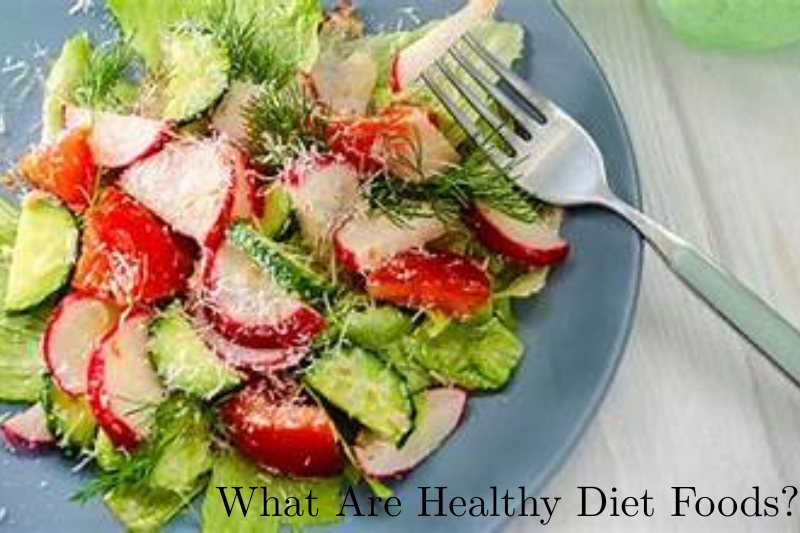
Healthy diet foods are foods that provide your body with essential nutrients while containing minimal amounts of unhealthy fats, added sugars, and excessive sodium. These foods supply vitamins, minerals, protein, fiber, healthy fats, and complex carbohydrates that your body needs to function efficiently.
Rather than focusing on a single “superfood,” a healthy diet includes a variety of nutrient-rich foods from different food groups. Eating a balanced combination of these foods ensures your body receives everything it needs for optimal health.
Healthy diet foods include:
- Fresh fruits
- Vegetables
- Whole grains
- Lean proteins
- Legumes
- Nuts and seeds
- Healthy oils
- Low-fat dairy or fortified dairy alternatives
Why Healthy Diet Foods Are Important
Food is your body’s fuel. Every organ, muscle, and cell depends on proper nutrition to work efficiently.
A healthy diet can:
- Improve physical health
- Support brain function
- Strengthen the immune system
- Reduce the risk of chronic diseases
- Improve digestion
- Help maintain a healthy body weight
- Increase daily energy
- Promote healthier skin, hair, and nails
Good nutrition also improves concentration, productivity, and overall quality of life.
Benefits of Healthy Diet Foods
Eating healthy diet foods consistently offers numerous short-term and long-term benefits.
1. Helps Maintain a Healthy Weight
Healthy foods are generally higher in fiber and protein, which help you feel full for longer periods. This reduces overeating and unnecessary snacking.
Instead of counting every calorie, eating nutrient-dense foods naturally supports weight management.
2. Provides Long-Lasting Energy
Highly processed foods often cause energy crashes because they digest quickly and spike blood sugar levels.
Healthy diet foods such as whole grains, fruits, vegetables, and lean proteins release energy gradually, helping you stay active throughout the day.
3. Improves Heart Health
Heart disease remains one of the leading causes of death worldwide.
Healthy diet foods can help:
- Lower bad cholesterol (LDL)
- Increase good cholesterol (HDL)
- Reduce blood pressure
- Improve blood circulation
- Lower inflammation
Foods like salmon, oats, nuts, seeds, and olive oil are particularly beneficial for heart health.
4. Supports Better Digestion
Fiber-rich foods improve digestion by promoting healthy bowel movements and supporting beneficial gut bacteria.
Good sources include:
- Apples
- Pears
- Oats
- Lentils
- Beans
- Vegetables
- Whole grains
A healthy digestive system also supports a stronger immune system.
5. Strengthens the Immune System
Vitamins A, C, D, E, zinc, and selenium all play important roles in immune function.
Healthy diet foods provide these nutrients naturally, helping your body fight infections more effectively.
6. Supports Brain Health
Your brain needs healthy fats, vitamins, minerals, and antioxidants to function properly.
Foods that support brain health include:
- Fatty fish
- Walnuts
- Blueberries
- Spinach
- Eggs
- Pumpkin seeds
A nutritious diet may improve memory, concentration, and learning ability.
7. Improves Bone Health
Calcium and vitamin D are essential for strong bones.
Healthy sources include:
- Milk
- Yogurt
- Cheese
- Leafy greens
- Fortified plant milk
Strong bones reduce the risk of fractures and osteoporosis as you age.
8. Promotes Healthy Skin
Healthy diet foods rich in antioxidants help protect skin cells from damage.
Vitamin C supports collagen production, while healthy fats keep skin hydrated.
You may also like to read these posts:
Drawbacks of Healthy Diet Foods
Although healthy diet foods offer many benefits, there are a few practical challenges to consider.
1. Higher Cost
Fresh fruits, vegetables, fish, nuts, and lean meats may cost more than processed foods in some areas.
However, buying seasonal produce, frozen vegetables, and dried beans can help reduce expenses.
2. Short Shelf Life
Fresh produce spoils faster than packaged foods.
Planning meals and storing food properly helps reduce waste.
3. Preparation Time
Healthy meals often require washing, chopping, and cooking ingredients.
Meal preparation once or twice a week can save time during busy days.
4. Lifestyle Adjustment
Switching from processed foods to healthy diet foods may feel difficult at first.
Many people experience cravings initially, but these usually decrease as healthier eating habits become routine.
5. Nutrient Imbalances from Restrictive Diets
Some people eliminate entire food groups in the name of healthy eating.
Without careful planning, this can lead to deficiencies in protein, calcium, iron, vitamin B12, or healthy fats.
A balanced diet is generally more sustainable than highly restrictive eating plans.
Best Healthy Diet Foods to Eat Daily
Fresh Fruits
Fruits are rich in vitamins, minerals, fiber, and antioxidants.
Best choices include:
- Apples
- Oranges
- Bananas
- Blueberries
- Strawberries
- Mangoes
- Grapes
- Papaya
Aim for two to four servings each day.
Vegetables
Vegetables are among the most nutrient-dense healthy diet foods.
Excellent choices include:
- Spinach
- Broccoli
- Carrots
- Bell peppers
- Tomatoes
- Cucumbers
- Kale
- Cauliflower
Try to fill half of your plate with vegetables.
Whole Grains
Whole grains contain more nutrients and fiber than refined grains.
Healthy options include:
- Brown rice
- Oats
- Quinoa
- Whole wheat bread
- Millet
- Barley
Lean Proteins
Protein supports muscle growth, tissue repair, and hormone production.
Choose:
- Chicken breast
- Turkey
- Fish
- Eggs
- Lentils
- Chickpeas
- Beans
- Tofu
Healthy Fats
Healthy fats are important for heart health and brain function.
Choose:
- Olive oil
- Avocados
- Almonds
- Walnuts
- Chia seeds
- Flaxseeds
Dairy Products
Low-fat dairy provides calcium and protein.
Good options include:
- Greek yogurt
- Cottage cheese
- Low-fat milk
- Plain yogurt
Foods to Limit
No food has to be completely forbidden, but some should be eaten less often.
Limit:
- Sugary drinks
- Candy
- Processed meats
- Fried foods
- White bread
- Cakes
- Pastries
- Chips
- Instant noodles
- Excess salt
Moderation is key to maintaining a balanced diet.
Sample Healthy Meal Plan
Breakfast
- Oatmeal topped with berries
- Boiled eggs
- Green tea
Morning Snack
- Apple
- Handful of almonds
Lunch
- Grilled chicken breast
- Brown rice
- Mixed vegetable salad
Afternoon Snack
- Greek yogurt
- Fresh fruit
Dinner
- Baked salmon
- Steamed broccoli
- Sweet potato
Evening Snack
- Herbal tea
- A few walnuts
Healthy Eating Tips
Building healthy habits is easier when you start small.
- Drink 2–3 liters of water daily.
- Eat slowly and mindfully.
- Cook more meals at home.
- Read nutrition labels.
- Include vegetables with every meal.
- Avoid skipping breakfast.
- Control portion sizes.
- Plan meals in advance.
- Choose whole foods whenever possible.
- Stay physically active.
Common Mistakes to Avoid
Many people unintentionally make healthy eating more difficult.
Avoid:
- Skipping meals
- Eating too much processed food
- Following extreme diets
- Drinking too many sugary beverages
- Ignoring portion sizes
- Eating while distracted
- Not getting enough protein
- Neglecting hydration
Healthy eating is about consistency, not perfection.
Conclusion
Choosing healthy diet foods is one of the most effective ways to improve your overall well-being. A balanced diet filled with fruits, vegetables, whole grains, lean proteins, healthy fats, and dairy can boost your energy, strengthen your immune system, support heart and brain health, and help you maintain a healthy weight.
While healthy eating may require a little more planning and preparation, the long-term rewards far outweigh the challenges. Instead of chasing quick-fix diets, focus on making small, consistent improvements to your daily meals. Over time, these habits can lead to lasting health, greater vitality, and a better quality of life.
Frequently Asked Questions About Healthy Diet Foods
1. What are healthy diet foods?
Healthy diet foods are nutrient-rich foods that provide essential vitamins, minerals, protein, fiber, and healthy fats while helping your body function properly. These foods include fruits, vegetables, whole grains, lean proteins, nuts, seeds, and healthy oils.
2. Why are healthy diet foods important?
Healthy diet foods are important because they provide the nutrients your body needs for energy, growth, repair, and disease prevention. Eating a balanced diet can support heart health, improve digestion, strengthen immunity, and help maintain a healthy weight.
3. What are the best healthy diet foods to eat every day?
Some of the best healthy diet foods to include daily are:
Leafy green vegetables
Fresh fruits
Whole grains like oats and brown rice
Lean proteins such as eggs, fish, chicken, and legumes
Nuts and seeds
Low-fat dairy products
Healthy fats like olive oil and avocado
4. Can healthy diet foods help with weight loss?
Yes, healthy diet foods can support weight loss when combined with proper portion control and regular physical activity. Foods high in protein and fiber help you feel full for longer, which can reduce overeating and unnecessary snacking.
5. Are carbohydrates part of a healthy diet?
Yes, carbohydrates are an important part of a balanced diet. The key is choosing healthier sources such as whole grains, fruits, vegetables, and legumes instead of refined carbohydrates like sugary foods and white bread.