
Introduction
Health is one of the most valuable parts of our lives, but many people only pay attention to it when problems appear. A healthy lifestyle is not created overnight—it is built through small daily decisions, routines, and habits.
A Personal Health Guide helps you understand how to take better care of your body and mind. It provides practical steps for improving nutrition, physical activity, sleep, mental wellness, hygiene, and preventive healthcare.
Think of this guide as a personal roadmap. You do not need to make huge changes all at once. Simple improvements, when repeated consistently, can create long-term positive results.
Whether you are trying to increase your energy, manage stress, prevent health problems, or simply feel better every day, a Personal Health Guide can help you make informed choices.
What Is a Personal Health Guide?
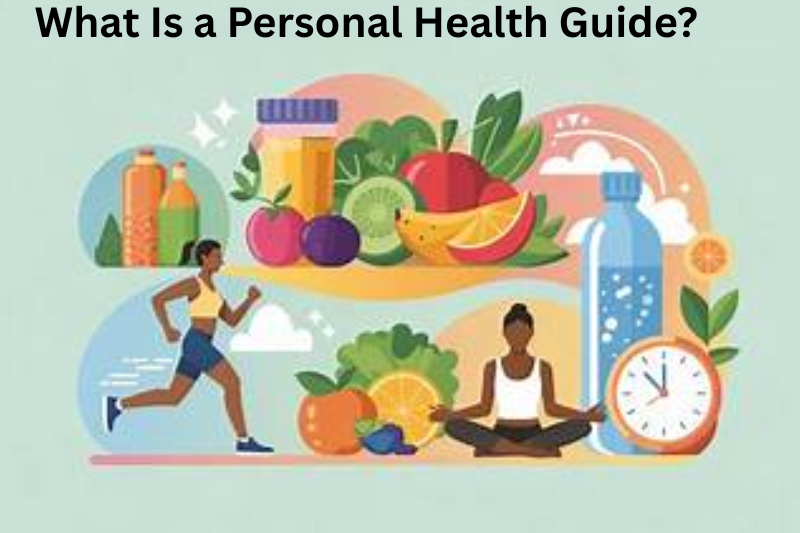
A Personal Health Guide is a customized approach to maintaining and improving your overall health. It focuses on different areas of wellness, including:
- Physical health
- Mental and emotional health
- Nutrition
- Exercise
- Sleep quality
- Personal hygiene
- Disease prevention
- Healthy lifestyle choices
Everyone’s health needs are different. A young student, a working professional, an athlete, and an older adult may require different health routines. A personal approach allows you to create habits that match your lifestyle, goals, and individual needs.
A good health guide is not about following extreme diets or unrealistic routines. It is about creating balanced habits that you can maintain for years.
Why Do You Need a Personal Health Guide?
Modern lifestyles often include stress, processed foods, limited physical activity, and irregular sleep schedules. These factors can negatively affect health over time.
A Personal Health Guide helps you:
- Understand your body’s needs
- Create healthier daily routines
- Prevent avoidable health issues
- Improve energy and productivity
- Develop better lifestyle choices
- Take responsibility for your well-being
Instead of waiting for health problems to appear, a personal health plan encourages prevention and awareness.
Key Areas Covered in a Personal Health Guide
1. Balanced Nutrition: Feeding Your Body Properly
Food plays a major role in your overall health. Your body needs essential nutrients to function properly, including vitamins, minerals, proteins, carbohydrates, and healthy fats.
A healthy eating plan should include:
Fruits and Vegetables
Fruits and vegetables provide important nutrients and antioxidants that support your immune system and overall wellness.
Protein-Rich Foods
Protein helps repair tissues, maintain muscles, and support body functions.
Examples include:
- Eggs
- Fish
- Chicken
- Beans
- Lentils
- Nuts
Whole Grains
Whole grains provide energy and support healthy digestion.
Examples include:
- Brown rice
- Oats
- Whole wheat bread
Healthy Fats
Healthy fats support brain function and heart health.
Examples include:
- Nuts
- Seeds
- Avocado
- Olive oil
A balanced diet does not mean removing all enjoyable foods. It means creating a healthy balance between nutrition and enjoyment.
2. Physical Activity and Exercise
Movement is an essential part of a Personal Health Guide. Regular physical activity benefits almost every part of the body.
Exercise can help improve:
- Heart health
- Muscle strength
- Flexibility
- Balance
- Mood
- Energy levels
You do not always need a gym membership. Simple activities can make a difference:
- Walking
- Stretching
- Cycling
- Household activities
- Sports
- Yoga
The most important thing is choosing activities you enjoy so you can continue them consistently.
3. Quality Sleep and Rest
Sleep is often ignored, but it is one of the foundations of good health.
During sleep, your body:
- Repairs cells
- Restores energy
- Supports brain function
- Regulates hormones
Poor sleep may lead to:
- Low energy
- Poor concentration
- Mood changes
- Reduced productivity
Healthy sleep habits include:
- Maintaining a regular sleep schedule
- Avoiding excessive screen use before bed
- Creating a comfortable sleeping environment
- Limiting caffeine late in the day
4. Mental Health and Emotional Wellness
A complete Personal Health Guide must include mental health because your thoughts and emotions affect your physical well-being.
Ways to support mental wellness include:
- Practicing relaxation techniques
- Spending time with supportive people
- Developing hobbies
- Taking breaks from stressful situations
- Expressing emotions in healthy ways
Managing stress is important because long-term stress can affect sleep, energy, and overall health.
5. Hydration and Water Intake
Water is essential for almost every process in your body.
Staying hydrated supports:
- Digestion
- Temperature regulation
- Physical performance
- Brain function
- Energy levels
Signs of dehydration may include:
- Feeling tired
- Dry mouth
- Headaches
- Dark-colored urine
Make water a regular part of your daily routine.
6. Personal Hygiene and Clean Living
Good hygiene protects you from infections and supports confidence.
Important hygiene habits include:
- Washing hands regularly
- Maintaining dental care
- Taking regular showers
- Keeping your surroundings clean
- Wearing clean clothes
These small habits contribute significantly to long-term health.
7. Preventive Healthcare and Medical Awareness
A healthy lifestyle also includes being aware of your health status.
Regular health checkups can help identify potential problems early.
Preventive care may include:
- Blood pressure monitoring
- Dental checkups
- Vision tests
- Vaccinations
- Health screenings based on age and risk factors
Early awareness often makes health problems easier to manage.
You amy also like to read these posts:
Benefits of Following a Personal Health Guide
1. Improved Physical Health
A Personal Health Guide encourages better eating, exercise, and lifestyle habits, which can improve overall physical condition.
Benefits may include:
- Better energy
- Improved fitness
- Stronger body
- Better digestion
- Improved immunity
2. Better Mental Well-Being
Healthy routines can support emotional balance and reduce daily stress.
Possible benefits include:
- Improved mood
- Better confidence
- Increased focus
- Greater emotional control
3. Disease Prevention
Healthy habits can reduce risk factors associated with many lifestyle-related health problems.
A Personal Health Guide encourages:
- Regular movement
- Healthy food choices
- Preventive checkups
- Avoiding harmful habits
4. Increased Energy and Productivity
When you sleep well, eat properly, and stay active, you may feel more energetic throughout the day.
This can improve:
- Work performance
- Learning ability
- Daily motivation
5. Better Understanding of Your Body
A personal health approach helps you recognize:
- What foods work best for you
- How your body responds to exercise
- How stress affects you
- Which habits improve your lifestyle
Drawbacks and Challenges of Following a Personal Health Guide
Although a Personal Health Guide has many advantages, there can also be some challenges.
1. Requires Time and Commitment
Building healthy habits requires consistency. Preparing healthy meals, exercising, and tracking progress may require extra time.
Some people may find it difficult to maintain these routines with busy schedules.
2. Can Become Overwhelming
Trying to change everything at once can create pressure.
For example, suddenly changing your diet, starting intense workouts, and completely changing your routine may feel difficult.
A gradual approach is usually easier to maintain.
3. Possible Extra Costs
Some healthy choices may require additional expenses, such as:
- Gym memberships
- Health programs
- Fresh foods
- Medical checkups
However, many healthy habits, such as walking, drinking water, and cooking simple meals, can be affordable.
4. Risk of Following Incorrect Information
Not all health advice online is reliable. Following extreme diets or unverified health trends may cause problems.
It is important to use trustworthy information and consult healthcare professionals when needed.
5. Personal Differences Matter
A health routine that works for one person may not work for another.
Factors such as:
- Age
- Lifestyle
- Medical history
- Fitness level
- Personal goals
should be considered when creating a health plan.
How to Create Your Own Personal Health Guide
Follow these simple steps:
Step 1: Understand Your Current Lifestyle
Look at your:
- Eating habits
- Sleep routine
- Activity level
- Stress levels
Identify areas that need improvement.
Step 2: Set Realistic Goals
Instead of saying, “I will completely change my lifestyle,” choose smaller goals.
Examples:
- Walk 20 minutes daily
- Drink more water
- Sleep earlier
- Add more vegetables to meals
Step 3: Track Your Progress
Keeping notes about your habits can help you understand what works.
Step 4: Adjust When Needed
Your health needs may change over time. Update your routine as your lifestyle changes.
Common Mistakes People Make
Avoid these common mistakes:
- Following extreme diets
- Comparing your progress with others
- Ignoring mental health
- Skipping sleep
- Exercising too intensely without preparation
- Expecting instant results
Health improvement is a long-term process.
Final Thoughts
A Personal Health Guide is a valuable tool for anyone who wants to live a healthier and more balanced life. It helps you focus on important areas such as nutrition, exercise, sleep, mental wellness, hygiene, and preventive care.
The benefits of following a personal health approach are significant, including better energy, improved confidence, stronger physical health, and greater awareness of your body. However, it is important to recognize challenges such as time commitment, costs, and the need for reliable information.
The goal is not to create a perfect lifestyle. The goal is to build healthy habits that you can maintain and enjoy. Start with small steps, stay consistent, and make choices that support the best version of yourself.
Frequently Asked Questions (FAQs) About Personal Health Guide
1. What does a Personal Health Guide mean?
A Personal Health Guide is a structured plan that helps you improve and maintain your overall health. It includes guidance on healthy eating, exercise, sleep, mental wellness, hygiene, and preventive healthcare. It helps you make better lifestyle choices based on your personal needs.
2. What are the benefits of using a Personal Health Guide?
A Personal Health Guide can provide many benefits, including:
Improved physical fitness
Better mental health
Increased energy levels
Improved sleep quality
Better stress management
Reduced risk of lifestyle-related health problems
Greater awareness of your body’s needs
It helps you create he
3. How can I start following a Personal Health Guide?
You can start by making small changes in your daily routine. Begin with simple steps such as:
Eating more nutritious foods
Drinking enough water
Walking or exercising regularly
Improving your sleep schedule
Managing stress
Scheduling regular health checkups
4. Is a Personal Health Guide suitable for everyone?
Yes, a Personal Health Guide can benefit people of different ages and lifestyles. However, each person’s health needs are different. Your health plan should consider factors such as age, fitness level, lifestyle, and existing health conditions.
5. How does nutrition affect personal health?
Nutrition plays a major role in overall health. A balanced diet provides the nutrients your body needs for energy, growth, immunity, and proper functioning. Healthy food choices can improve physical performance, mood, and long-term wellness.