
Starting a healthy lifestyle can feel overwhelming. You might wonder where to begin, what foods to eat, how much exercise you need, or whether you need to completely change your daily routine. The truth is much simpler than many people think.
If you’re searching for Health Tips for Beginners, you’re already taking an important first step. Becoming healthier doesn’t require perfection. Instead, it involves making small, consistent improvements that fit into your daily life.
Think of it like building a house. You don’t finish it in one day—you build it one brick at a time. Healthy habits work the same way. Every healthy meal, every walk, every glass of water, and every good night’s sleep contributes to a stronger, healthier body.
This guide explains everything beginners need to know, including nutrition, exercise, hydration, sleep, stress management, benefits, drawbacks, common mistakes, and practical advice to help you stay on track.
Why Good Health Matters

Good health affects almost every part of your life. When your body functions well, you have more energy, think more clearly, feel happier, and are better able to handle daily challenges.
A healthy lifestyle can help you:
- Increase your daily energy levels.
- Improve concentration and productivity.
- Support your immune system.
- Maintain a healthy weight.
- Improve sleep quality.
- Strengthen your heart and muscles.
- Lower the risk of chronic diseases such as type 2 diabetes and high blood pressure.
- Improve your mood and mental well-being.
Even small improvements can make a noticeable difference over time.
1. Start with Small Lifestyle Changes
Many beginners try to change everything at once. They start strict diets, intense workout plans, and unrealistic schedules. This often leads to frustration and burnout.
Instead, begin with one or two manageable habits, such as:
- Drinking an extra glass of water each day.
- Walking for 20–30 minutes.
- Replacing sugary drinks with water.
- Eating one serving of vegetables with dinner.
- Going to bed 30 minutes earlier.
Small changes are easier to maintain and are more likely to become lasting habits.
2. Eat a Balanced and Nutritious Diet
Healthy eating is one of the most important Health Tips for Beginners.
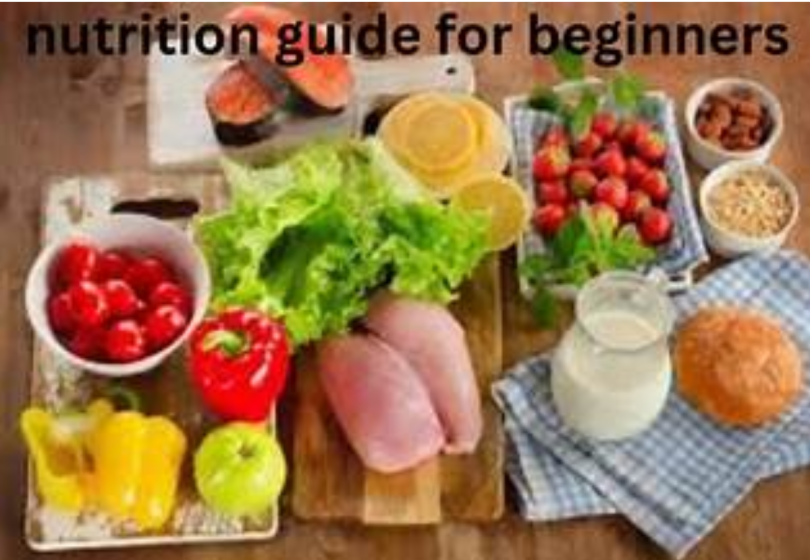
Your body needs a balance of nutrients to function properly. Rather than following fad diets, focus on eating a variety of wholesome foods.
Include More:
- Fresh fruits
- Vegetables
- Whole grains
- Lean protein such as fish, chicken, beans, and lentils
- Healthy fats from nuts, seeds, avocados, and olive oil
- Low-fat or fat-free dairy products if you consume dairy
Limit:
- Sugary drinks
- Highly processed snacks
- Excessive fast food
- Foods high in added sugars, saturated fats, and sodium
Healthy eating is about balance, not eliminating every treat.
3. Stay Hydrated Throughout the Day
Water is essential for nearly every function in your body. It helps regulate temperature, transport nutrients, support digestion, and remove waste.
Benefits of Drinking Enough Water
- Improves concentration.
- Supports healthy digestion.
- Helps regulate body temperature.
- Keeps joints lubricated.
- Promotes healthy skin.
- May reduce fatigue caused by dehydration.
Carry a reusable water bottle and drink regularly instead of waiting until you feel thirsty.
4. Exercise Regularly
Exercise benefits people of all ages and fitness levels. You don’t need a gym membership to become more active.
Good beginner activities include:
- Walking
- Cycling
- Swimming
- Yoga
- Stretching
- Dancing
- Bodyweight exercises such as squats, push-ups, and lunges
Aim for at least 150 minutes of moderate-intensity physical activity per week, along with muscle-strengthening exercises on two or more days each week.
5. Make Sleep a Priority
Sleep is just as important as nutrition and exercise.
While you sleep, your body repairs tissues, supports brain function, balances hormones, and strengthens your immune system.
Tips for Better Sleep
- Maintain a regular bedtime.
- Avoid caffeine late in the day.
- Keep your bedroom cool, dark, and quiet.
- Limit screen time before bed.
- Develop a relaxing bedtime routine.
Most adults benefit from 7 to 9 hours of sleep each night.
6. Learn to Manage Stress
Everyone experiences stress, but chronic stress can negatively affect both physical and mental health.
Healthy ways to manage stress include:
- Meditation
- Deep breathing exercises
- Walking outdoors
- Reading
- Journaling
- Spending time with loved ones
- Practicing hobbies you enjoy
Managing stress helps improve sleep, mood, and overall well-being.
7. Build Healthy Habits Gradually
Healthy habits become easier when they fit naturally into your routine.
Examples include:
- Walking after dinner.
- Preparing healthy lunches in advance.
- Stretching each morning.
- Taking the stairs instead of the elevator.
- Choosing water instead of sugary beverages.
Consistency matters more than intensity.
8. Set Realistic Health Goals
Avoid setting goals that are difficult to maintain.
Instead of saying:
“I’ll lose 20 kilograms in two months.”
Try:
- I’ll exercise four times this week.
- I’ll eat vegetables with every dinner.
- I’ll drink more water every day.
Small, achievable goals help build motivation and confidence.
9. Avoid Common Beginner Mistakes
Many people lose motivation because they make avoidable mistakes.
Common mistakes include:
- Following extreme diets.
- Skipping meals.
- Exercising too intensely too soon.
- Expecting instant results.
- Ignoring sleep.
- Comparing yourself to others.
- Giving up after one setback.
Remember that progress takes time.
You may also like to read these posts:
Benefits of Following Health Tips for Beginners

Adopting healthy habits offers many long-term advantages.
Physical Benefits
- Better heart health
- Improved digestion
- Increased energy
- Stronger muscles and bones
- Better weight management
- Improved immune function
- Lower risk of chronic diseases
Mental Benefits
- Reduced stress
- Improved mood
- Better focus
- Increased self-confidence
- Better memory
- Improved sleep quality
Lifestyle Benefits
- Greater productivity
- Better daily routines
- Increased independence
- Higher quality of life
- More confidence in managing your health
Possible Drawbacks and Challenges
Although a healthy lifestyle provides many benefits, beginners may encounter some challenges.
1. Lifestyle Adjustment
Changing old habits can feel uncomfortable at first.
Solution:
Focus on one habit at a time.
2. Time Commitment
Meal preparation and exercise require planning.
Solution:
Schedule healthy activities just like other important appointments.
3. Initial Muscle Soreness
Starting a new exercise routine may cause temporary soreness.
Solution:
Begin slowly, warm up properly, and allow time for recovery.
4. Temporary Loss of Motivation
Motivation naturally comes and goes.
Solution:
Build routines instead of relying on motivation alone.
5. Social Challenges
Friends or family may not always share your healthy habits.
Solution:
Communicate your goals and look for supportive people or communities.
Daily Healthy Routine for Beginners
A simple routine can help you stay consistent.
Morning
- Drink a glass of water.
- Eat a balanced breakfast.
- Stretch for 5–10 minutes.
Afternoon
- Eat a nutritious lunch.
- Take a short walk after eating.
- Stay hydrated.
Evening
- Have a balanced dinner.
- Avoid heavy meals close to bedtime.
- Relax by reading or practicing deep breathing.
- Go to bed at a consistent time.
Final Thoughts
Following these Health Tips for Beginners doesn’t require perfection or expensive equipment. The key is to make steady, realistic changes that you can maintain over time.
Healthy living is a lifelong journey. Some days will be easier than others, and that’s perfectly normal. What matters most is returning to your healthy habits after setbacks and continuing to move forward.
Start with one small change today. Drink an extra glass of water, take a short walk, prepare a balanced meal, or get to bed a little earlier. These simple actions may seem small, but over weeks and months they can lead to meaningful improvements in your physical health, mental well-being, and overall quality of life.
Frequently Asked Questions (FAQs) About Health Tips for Beginners
1. What are the best health tips for beginners?
The best health tips for beginners include eating a balanced diet, drinking enough water, exercising regularly, getting proper sleep, managing stress, and creating small healthy habits. Beginners should focus on making simple changes that they can maintain for a long time instead of following extreme plans.
2. How can a beginner start a healthy lifestyle?
A beginner can start a healthy lifestyle by making small daily improvements. Start by drinking more water, adding fruits and vegetables to your meals, walking regularly, improving sleep habits, and reducing unhealthy foods. Small steps are easier to follow and can create lasting results.
3. How much exercise should beginners do?
Beginners should start with manageable activities such as walking, stretching, cycling, or light workouts. Around 20–30 minutes of activity most days is a good starting point. As fitness improves, you can gradually increase the duration and intensity of your workouts.
4. What foods should beginners eat for better health?
Beginners should focus on nutrient-rich foods such as fruits, vegetables, whole grains, lean proteins, nuts, seeds, and healthy fats. A balanced diet provides the body with essential vitamins, minerals, and energy needed for daily activities.
5. Can beginners lose weight by following healthy habits?
Yes, beginners can support healthy weight management by eating balanced meals, staying active, drinking enough water, sleeping well, and maintaining consistency. Sustainable lifestyle changes are usually more effective than quick-fix diets.