
Introduction
Have you ever looked at someone who always seems full of energy and wondered what their secret is? The truth is, there isn’t one magical trick. Staying healthy isn’t about following the latest diet trend, buying expensive supplements, or spending hours at the gym. It’s about making small, smart choices every day that help your body and mind work at their best.
If you’re searching for how to stay healthy, you’ve come to the right place. This comprehensive guide will walk you through everything you need to know in a simple, friendly, and practical way. Whether you’re just starting your health journey or looking to improve your current lifestyle, these tips can help you build habits that last a lifetime.
What Does It Mean to Stay Healthy?
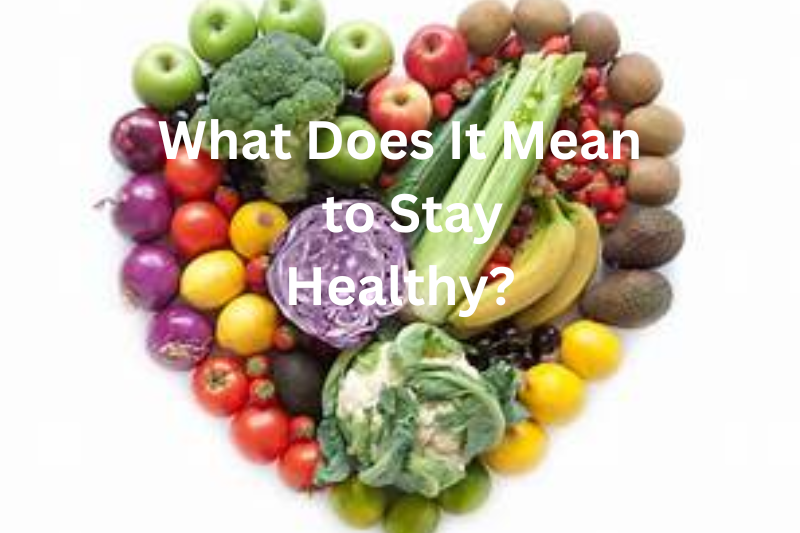
Being healthy isn’t just about not getting sick. True health includes your physical, mental, and emotional well-being. When your body and mind are in good condition, you have more energy, sleep better, feel happier, and can enjoy everyday activities without constantly feeling tired or stressed.
Learning how to stay healthy means taking care of every part of your life, including your diet, exercise, sleep, mental health, relationships, and daily habits.
Why Is Staying Healthy Important?
Many people only start thinking about their health after they become sick. However, prevention is always better than treatment.
A healthy lifestyle helps you:
- Increase your energy levels
- Strengthen your immune system
- Maintain a healthy body weight
- Reduce the risk of heart disease
- Lower the chances of diabetes
- Improve brain function and memory
- Sleep better every night
- Feel happier and less stressed
- Live a longer and more active life
- Save money on medical expenses over time
Good health allows you to enjoy life more fully and stay productive at work, school, and home.
1. Eat a Healthy and Balanced Diet
One of the first answers to how to stay healthy is eating nutritious foods every day.
Your body needs vitamins, minerals, healthy fats, protein, carbohydrates, and fiber to function properly.
What Should Your Plate Include?
- Fresh fruits
- Green vegetables
- Whole grains
- Lean protein
- Dairy or fortified alternatives
- Healthy fats
- Plenty of water
Instead of eliminating entire food groups, focus on balance and portion control.
Foods to Eat More Often
- Apples
- Bananas
- Oranges
- Spinach
- Broccoli
- Carrots
- Oats
- Brown rice
- Fish
- Eggs
- Beans
- Lentils
- Nuts
- Yogurt
Foods to Limit
- Sugary drinks
- Fast food
- Deep-fried foods
- Processed snacks
- Excess sweets
- Highly processed meats
Benefits of Eating Healthy
- Better digestion
- Stronger immunity
- Healthy skin
- Improved concentration
- More energy
- Better heart health
- Reduced disease risk
Drawbacks of an Unhealthy Diet
- Weight gain
- High cholesterol
- Diabetes risk
- Heart disease
- Digestive problems
- Constant fatigue
- Nutrient deficiencies
2. Stay Hydrated Every Day
Water is one of the most important parts of a healthy lifestyle.
Your body is made up largely of water, and every organ depends on it to function correctly.
Tips to Drink More Water
- Carry a reusable water bottle.
- Drink a glass of water after waking up.
- Drink before meals.
- Eat water-rich fruits like watermelon and oranges.
- Replace sugary drinks with water whenever possible.
Benefits of Staying Hydrated
- Keeps skin healthy
- Supports digestion
- Prevents dehydration
- Helps regulate body temperature
- Improves concentration
- Supports kidney function
- Boosts energy
Drawbacks of Dehydration
- Headaches
- Dry skin
- Fatigue
- Dizziness
- Poor concentration
- Constipation
- Reduced physical performance
3. Exercise Regularly
Exercise is one of the most effective ways to improve your health.
You don’t need to become a professional athlete. Even simple activities make a big difference.
Easy Exercises Anyone Can Do
- Walking
- Cycling
- Jogging
- Swimming
- Dancing
- Yoga
- Strength training
- Stretching
Aim for at least 150 minutes of moderate physical activity each week.
Benefits of Exercise
- Burns calories
- Builds muscle
- Strengthens bones
- Improves heart health
- Boosts mood
- Reduces stress
- Improves sleep
- Increases energy
Drawbacks of Not Exercising
- Weight gain
- Weak muscles
- Poor heart health
- Low energy
- Joint stiffness
- Higher disease risk
- Reduced flexibility
4. Get Enough Quality Sleep
Sleep is just as important as nutrition and exercise.
Adults generally need 7–9 hours of quality sleep every night.
Tips for Better Sleep
- Sleep at the same time daily.
- Avoid caffeine late in the day.
- Turn off screens before bedtime.
- Keep your bedroom cool, dark, and quiet.
- Develop a relaxing bedtime routine.
Benefits of Good Sleep
- Better memory
- Stronger immune system
- Improved mood
- Faster recovery
- Better focus
- Healthy hormones
- Increased productivity
Drawbacks of Poor Sleep
- Irritability
- Fatigue
- Poor concentration
- Weak immunity
- Weight gain
- Higher stress levels
- Increased accident risk
5. Take Care of Your Mental Health
Mental health is an important part of learning how to stay healthy.
Your emotional well-being affects your relationships, work, and overall quality of life.
Ways to Improve Mental Health
- Practice gratitude.
- Spend time with loved ones.
- Meditate or pray.
- Take breaks from work.
- Spend time outdoors.
- Read books.
- Listen to music.
- Seek professional support if needed.
Benefits of Good Mental Health
- Better relationships
- Higher confidence
- Lower stress
- Improved decision-making
- Better emotional control
- Greater happiness
Drawbacks of Ignoring Mental Health
- Anxiety
- Depression
- Burnout
- Sleep problems
- Low motivation
- Poor work performance
6. Manage Stress Effectively
Stress is a normal part of life, but chronic stress can affect your physical and mental health.
Healthy Ways to Reduce Stress
- Deep breathing
- Walking outdoors
- Exercise
- Journaling
- Spending time with family
- Hobbies
- Listening to relaxing music
Benefits of Managing Stress
- Lower blood pressure
- Better sleep
- Improved mood
- Stronger immunity
- Better focus
- Increased patience
Drawbacks of Chronic Stress
- Headaches
- High blood pressure
- Anxiety
- Digestive problems
- Sleep disturbances
- Weakened immune system
7. Avoid Harmful Habits
Some habits can slowly damage your health over time.
Try to avoid or reduce:
- Smoking
- Excess alcohol
- Recreational drugs
- Too much sugary food
- Excessive screen time
- Sitting for long periods without movement
Benefits of Avoiding Harmful Habits
- Healthier lungs
- Better heart health
- Lower cancer risk
- Improved fitness
- Better sleep
- More energy
Drawbacks of Harmful Habits
- Chronic diseases
- Addiction
- Financial costs
- Reduced life expectancy
- Lower quality of life
8. Maintain a Healthy Weight
A healthy weight lowers the risk of many diseases and can improve your energy, mobility, and confidence.
Tips to Maintain a Healthy Weight
- Eat balanced meals.
- Stay physically active.
- Control portion sizes.
- Limit sugary drinks.
- Get enough sleep.
- Stay consistent with healthy habits.
Benefits
- Reduced disease risk
- Better mobility
- Improved self-confidence
- Increased energy
Drawbacks of Being Overweight or Underweight
- Heart disease risk
- Diabetes
- Joint pain
- Fatigue
- Nutrient deficiencies
9. Build Healthy Daily Habits
Healthy living is built on consistent routines.
A Simple Daily Routine
- Wake up at a regular time.
- Drink a glass of water.
- Eat a nutritious breakfast.
- Stay active throughout the day.
- Eat balanced meals.
- Take short movement breaks.
- Spend time with family or friends.
- Read or relax before bed.
- Sleep 7–9 hours.
Small habits practiced consistently often lead to lasting improvements.
You may also like to read these posts:
Common Mistakes People Make
Many people unknowingly make choices that work against their health.
Common mistakes include:
- Skipping breakfast regularly
- Drinking too many sugary beverages
- Sitting for long hours
- Sleeping too little
- Ignoring stress
- Following fad diets
- Expecting instant results
- Not drinking enough water
- Eating late at night too often
Avoiding these mistakes can make your healthy lifestyle easier to maintain.
Conclusion
Learning how to stay healthy isn’t about chasing perfection—it’s about making consistent, positive choices that support your body and mind. Eat a balanced diet, stay hydrated, exercise regularly, get enough sleep, manage stress, and nurture your mental well-being. Every healthy decision, no matter how small, contributes to a stronger, happier, and more energetic life.
Remember, good health is a lifelong journey, not a destination. Start with one habit today, stay patient, and build on your progress over time. Your future self will thank you for the care you invest in your health today.
Frequently Asked Questions (FAQs) About How to Stay Healthy
1. What is the best way to stay healthy?
The best way to stay healthy is to maintain a balanced lifestyle that includes eating nutritious foods, exercising regularly, getting enough sleep, drinking plenty of water, managing stress, and avoiding harmful habits. Small daily choices can make a big difference in your overall health.
2. How can I stay healthy without going to the gym?
You don’t need a gym membership to stay healthy. You can stay active by walking, cycling, doing home workouts, stretching, practicing yoga, or participating in activities like dancing or gardening. The important thing is to keep your body moving regularly.
3. What foods should I eat to stay healthy?
To stay healthy, focus on eating a variety of nutrient-rich foods, including:
Fresh fruits and vegetables
Whole grains
Lean proteins like fish, eggs, beans, and chicken
Nuts and seeds
Healthy fats
Low-fat dairy or alternatives
Try to limit processed foods, sugary drinks, and excessive fried foods.
4. How much water should I drink every day?
Water needs vary from person to person depending on factors like age, activity level, weather, and health conditions. A good habit is to drink water regularly throughout the day and increase your intake during exercise or hot weather.
5. How many hours of sleep do I need to stay healthy?
Most adults need around 7–9 hours of quality sleep each night. Children and teenagers generally need more. Getting enough sleep helps your body recover, improves concentration, supports immunity, and boosts your mood.