
Introduction
If you’ve been looking for the best Strength Training Tips, you’re in the right place. Whether your goal is to build muscle, lose body fat, improve your fitness, or simply feel stronger in your daily life, strength training is one of the most effective ways to achieve it.
The great thing about strength training is that you don’t have to spend hours in the gym. With the right approach, consistency, and patience, you can see noticeable improvements over time. In this guide, I’ll walk you through the most practical Strength Training Tips in a simple, friendly way—just like we’re having a conversation.
What Is Strength Training?

Strength training is any type of exercise that makes your muscles work against resistance. This resistance can come from:
- Dumbbells
- Barbells
- Resistance bands
- Gym machines
- Your own body weight
Exercises like squats, push-ups, lunges, pull-ups, and deadlifts all count as strength training.
Why Strength Training Is Important
Before jumping into the best Strength Training Tips, let’s look at why strength training deserves a place in your routine.
Strength training can help you:
- Build lean muscle
- Increase overall strength
- Improve posture
- Support bone health
- Boost metabolism
- Improve balance and coordination
- Make everyday activities easier
- Reduce the risk of injuries
It’s beneficial for people of almost every age and fitness level.
Best Strength Training Tips for Beginners
1. Focus on Proper Form First
One of the biggest mistakes beginners make is lifting heavier weights too soon.
Instead of worrying about how much weight you’re lifting, focus on learning the correct movement. Good form helps prevent injuries and allows your muscles to work properly.
Remember:
- Move slowly.
- Stay in control.
- Don’t rush each repetition.
2. Start with Compound Exercises
Compound exercises train multiple muscle groups at once.
Some excellent examples include:
- Squats
- Deadlifts
- Bench Press
- Push-Ups
- Rows
- Overhead Press
- Pull-Ups
These exercises give you the biggest results in the shortest amount of time.
3. Warm Up Before Every Workout
Never skip your warm-up.
A proper warm-up prepares your muscles and joints for exercise while reducing the chance of injury.
Try:
- 5–10 minutes of brisk walking
- Light jogging
- Jump rope
- Dynamic stretches
- Arm circles
- Bodyweight squats
4. Train Consistently
Consistency always beats perfection.
Instead of training for three hours once a week, aim for:
- 2–4 strength workouts every week
Sticking to a regular routine produces better long-term results.
5. Increase the Challenge Gradually
Your body adapts over time.
To keep making progress, slowly increase:
- Weight
- Repetitions
- Sets
- Training intensity
Small improvements each week can lead to significant gains over months.
6. Don’t Skip Rest Days
Many people think more workouts mean faster results.
Actually, muscles grow while you recover—not while you’re lifting.
Aim to:
- Rest each muscle group for at least 48 hours before training it again.
- Get 7–9 hours of quality sleep each night.
7. Eat Enough Protein
Exercise is only half of the equation.
Your muscles need protein to recover and grow.
Good protein sources include:
- Chicken
- Fish
- Eggs
- Greek yogurt
- Cottage cheese
- Lentils
- Beans
- Tofu
- Milk
Pair your meals with fruits, vegetables, whole grains, and healthy fats for balanced nutrition.
8. Stay Hydrated
Water supports muscle function and workout performance.
Drink water:
- Before your workout
- During your workout
- After your workout
Even mild dehydration can reduce performance.
9. Don’t Compare Yourself to Others
Everyone starts somewhere.
The person lifting heavy weights today was once a beginner too.
Focus on becoming stronger than you were last week, not stronger than someone else.
10. Track Your Progress
Keep a workout journal or use a fitness app.
Write down:
- Exercises
- Sets
- Reps
- Weight used
Tracking your progress helps you stay motivated and shows how far you’ve come.
You may also like to read these posts:
Common Strength Training Mistakes
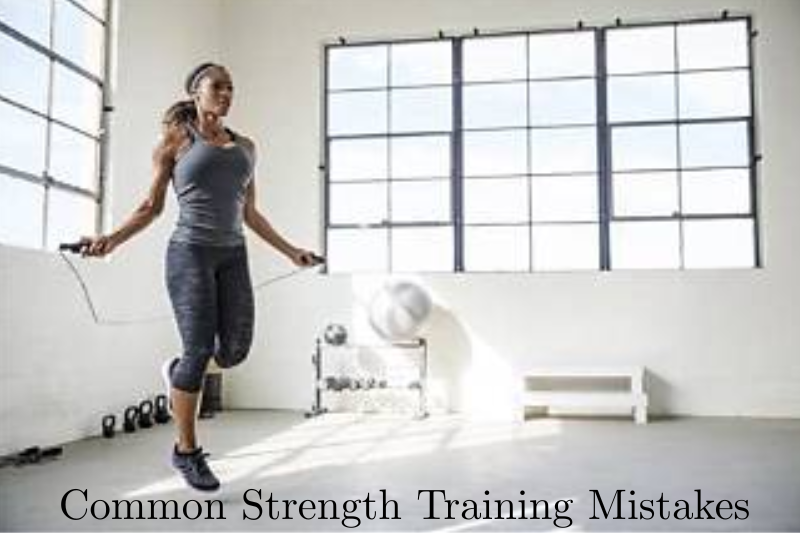
Avoid these common mistakes:
- Skipping warm-ups
- Using poor form
- Lifting too much weight
- Not resting enough
- Ignoring nutrition
- Doing random workouts without a plan
- Expecting instant results
Progress takes time, so stay patient and consistent.
Sample Beginner Strength Training Routine
Day 1
- Squats – 3 sets × 10 reps
- Push-Ups – 3 × 10
- Dumbbell Rows – 3 × 10
- Plank – 3 × 30 seconds
Day 2
- Lunges – 3 × 10 each leg
- Overhead Press – 3 × 10
- Glute Bridges – 3 × 12
- Side Plank – 3 × 30 seconds
Take at least one day of rest between sessions if you’re training the same muscle group
Final Thoughts
The best Strength Training Tips are surprisingly simple: master good technique, stay consistent, eat well, recover properly, and increase the challenge gradually. You don’t need fancy equipment or endless hours in the gym to get stronger. What matters most is showing up regularly and building healthy habits over time.
Start with manageable goals, celebrate small improvements, and remember that every workout is a step toward a stronger, healthier version of yourself.
Frequently Asked Questions About Strength Training
1. What is strength training?
Strength training is a type of physical exercise that involves working your muscles against resistance to improve strength, endurance, and muscle development. The resistance can come from free weights, gym machines, resistance bands, or your own body weight through exercises like push-ups and squats.
2. How often should I do strength training?
For most beginners, doing strength training 2 to 4 days per week is a good starting point. This allows your muscles enough time to recover while still providing enough stimulation for progress.
3. Can beginners do strength training?
Yes, beginners can safely start strength training. In fact, beginners often experience noticeable improvements because their bodies quickly adapt to new movements.
If you are new to training:
Start with lighter weights.
Learn proper exercise techniques.
Focus on controlled movements.
Increase intensity gradually.
4. How long does it take to see results from strength training?
The time needed to see results varies from person to person. Many people notice improvements in strength within a few weeks, while visible changes in muscle size and body composition usually take several months.
5. Can strength training help with weight loss?
Yes, strength training can support weight loss. It helps build and maintain muscle, which can improve your body’s ability to burn calories. When combined with a balanced diet and regular physical activity, strength training can be an effective part of a weight management plan.