
Introduction
If you’ve ever searched for how to get fit, you’re not alone. Millions of people want to feel healthier, have more energy, lose weight, build muscle, or simply improve their overall well-being. The good news is that getting fit doesn’t require spending hours in the gym or following a strict diet.
Fitness is about creating healthy habits that you can maintain for the long term. Whether you’re just starting or getting back on track, this guide will show you exactly how to get fit in a simple, practical, and sustainable way.
What Does It Mean to Get Fit?
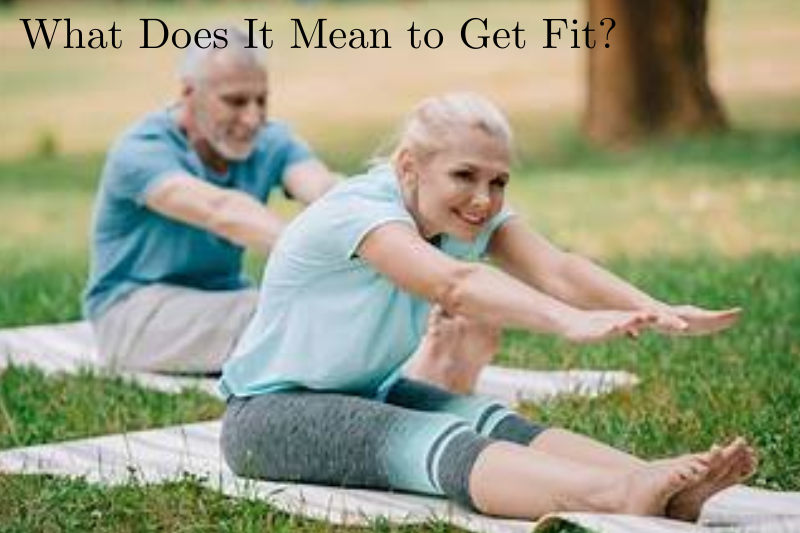
Getting fit isn’t just about having six-pack abs or lifting heavy weights. True fitness means having a healthy body, a strong heart, good endurance, flexibility, and enough energy to enjoy your daily life.
When you focus on overall fitness, you’ll notice benefits such as:
- More energy throughout the day
- Better sleep quality
- Improved mood and mental health
- Stronger muscles and bones
- Better heart health
- Increased confidence
- Lower risk of many chronic diseases
How to Get Fit: Step-by-Step Guide
1. Set Realistic Fitness Goals
Before you start, ask yourself:
- Do you want to lose weight?
- Build muscle?
- Improve endurance?
- Feel healthier?
- Increase strength?
Having a clear goal helps you stay focused and motivated.
For example:
- Walk 30 minutes five days a week.
- Lose 5 kg in three months.
- Complete 20 push-ups.
- Run your first 5K.
Small goals lead to big results.
2. Start Moving Every Day
One of the easiest answers to how to get fit is simply to move more.
You don’t need expensive equipment.
Try activities like:
- Walking
- Jogging
- Cycling
- Swimming
- Dancing
- Hiking
- Playing sports
Aim for at least 150 minutes of moderate exercise each week, which aligns with widely recommended fitness guidelines.
3. Include Strength Training
Many people think cardio is enough, but strength training is equally important.
It helps you:
- Build muscle
- Burn more calories
- Improve posture
- Strengthen bones
- Increase metabolism
You can use:
- Bodyweight exercises
- Dumbbells
- Resistance bands
- Gym machines
Begin with 2–3 sessions each week.
4. Eat Healthy Without Following Extreme Diets
Nutrition plays a huge role in fitness.
Instead of cutting out entire food groups, focus on balance.
Fill your plate with:
- Lean protein
- Whole grains
- Fruits
- Vegetables
- Healthy fats
Limit:
- Sugary drinks
- Processed foods
- Excess sweets
- Fried foods
Remember, healthy eating isn’t about perfection. It’s about making better choices most of the time.
5. Stay Hydrated
Water supports nearly every function in your body.
Drink water:
- Before workouts
- During exercise
- After workouts
- Throughout the day
Proper hydration improves performance and recovery.
6. Get Enough Sleep
Sleep is often overlooked, but it’s one of the most important parts of getting fit.
Adults generally benefit from 7–9 hours of quality sleep each night.
Good sleep helps:
- Muscle recovery
- Fat loss
- Hormone balance
- Better workouts
- Improved focus
7. Be Consistent
Consistency beats perfection.
You don’t have to exercise every single day.
What matters is sticking to your routine over weeks and months. Experts consistently emphasize that regular movement is more effective than occasional intense workouts.
A Simple Weekly Fitness Plan
Here’s an easy schedule for beginners:
Monday: 30-minute walk + light stretching
Tuesday: Full-body strength workout
Wednesday: Rest or gentle walk
Thursday: Cardio (cycling, jogging, or swimming)
Friday: Strength training
Saturday: Outdoor activity or sports
Sunday: Rest and recovery
Best Exercises to Get Fit
If you’re wondering how to get fit quickly, focus on exercises that work multiple muscle groups.
Some of the best include:
- Squats
- Push-ups
- Lunges
- Planks
- Burpees
- Jump rope
- Running
- Cycling
- Rowing
- Mountain climbers
These exercises improve strength, endurance, and overall fitness.
Common Mistakes to Avoid
Many beginners make these mistakes:
- Trying to do too much too soon
- Skipping warm-ups
- Ignoring recovery
- Following crash diets
- Comparing themselves to others
- Giving up after missing a workout
Progress takes time. Missing one workout doesn’t erase your progress.
How Long Does It Take to Get Fit?
Everyone progresses at a different pace.
Generally:
- 2–4 weeks: More energy and better mood
- 4–8 weeks: Improved stamina and strength
- 8–12 weeks: Noticeable physical changes
- 6 months+: Significant fitness improvements
Stay patient and trust the process.
You may also like to read these posts:
Tips to Stay Motivated
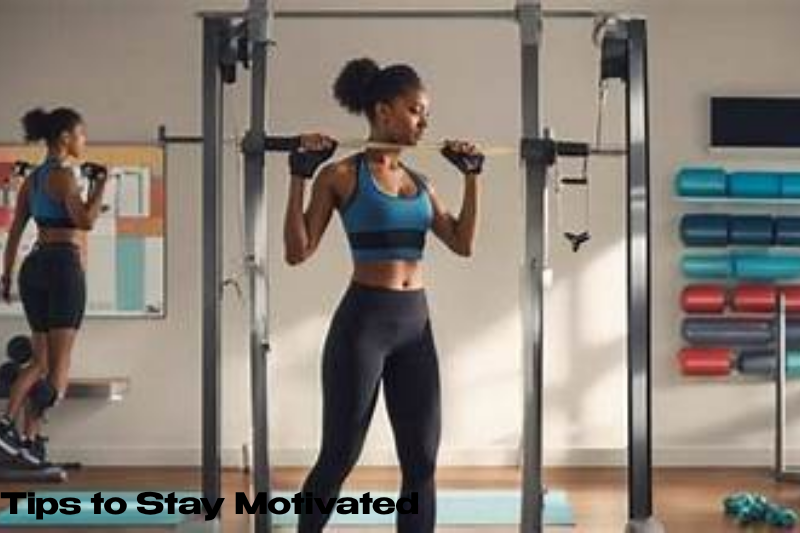
Here are a few ways to stay on track:
- Track your progress.
- Celebrate small wins.
- Exercise with a friend.
- Listen to music or podcasts.
- Try new workouts.
- Focus on how you feel, not just how you look.
Fitness should improve your life—not feel like a punishment.
Final Thoughts
Learning how to get fit isn’t about finding a shortcut—it’s about building habits that support your health every day. Start with realistic goals, move your body regularly, eat nutritious foods, sleep well, and stay consistent.
You don’t have to be perfect. Every healthy meal, every walk, and every workout is a step toward a stronger, healthier version of yourself. The best time to start was yesterday. The next best time is today. Stay patient, enjoy the journey, and remember that lasting fitness comes from small actions repeated consistently over time.
Frequently Asked Questions (FAQs) About How to Get Fit
1. What is the easiest way to start getting fit?
The easiest way to start getting fit is by making small, consistent changes. Begin with simple activities like walking daily, doing basic bodyweight exercises, drinking more water, and improving your food choices. Small habits become long-term results when you follow them regularly.
2. How can I get fit at home?
You can get fit at home without expensive equipment. Try exercises such as:
Push-ups
Squats
Lunges
Planks
Jumping jacks
Yoga
Home cardio workouts
3. How many days a week should I work out?
For beginners, exercising 3–5 days per week is a good starting point. Your routine can include a mix of cardio, strength training, and flexibility exercises. Rest days are also important because your body needs time to recover.
4. Can I get fit in 30 days?
You can make noticeable improvements in 30 days, such as increased energy, better stamina, and improved strength. However, major body transformations usually require more time and consistency. A realistic fitness journey focuses on gradual progress.
5. What exercises are best for getting fit?
The best exercises are those that improve strength, endurance, and overall health. Some effective options include
Walking or running
Cycling
Swimming
Strength training
Squats
Push-ups
Planks