
Introduction
Fitness has become an important part of a healthy lifestyle, but many people struggle to find time for regular exercise. Busy work schedules, family responsibilities, expensive gym memberships, and long travel times often make it difficult to maintain a consistent fitness routine.
This is where Home Workout Tips can help. Exercising at home is a simple and effective way to improve your health, increase strength, manage weight, and build a better lifestyle without needing a gym.
The best thing about home workouts is that they are flexible. You can exercise early in the morning, during a break from work, or whenever you have free time. You don’t need expensive equipment or a large workout space. With basic exercises, proper planning, and consistency, you can achieve impressive results from the comfort of your home.
Whether you are a beginner starting your fitness journey, a busy professional looking for convenient exercise options, or someone who wants to maintain an active lifestyle, these Home Workout Tips will help you create a routine that works for you.
In this detailed guide, we will discuss the benefits and drawbacks of home workouts, beginner-friendly exercises, workout planning strategies, common mistakes, and practical tips to help you stay consistent.
What Is a Home Workout?
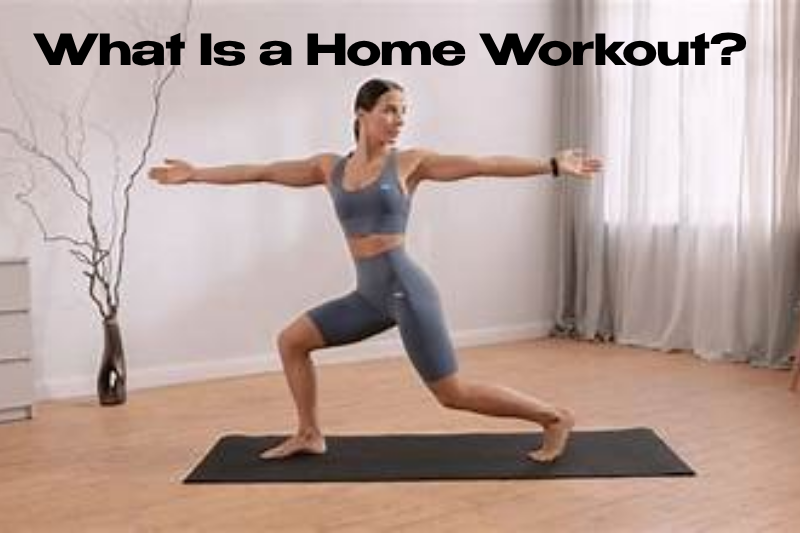
A home workout is any exercise routine that you perform at your home instead of going to a gym or fitness center.
Home workouts can include different types of exercises, such as:
- Bodyweight training
- Strength exercises
- Cardio workouts
- Yoga
- Stretching
- Mobility exercises
- High-intensity interval training (HIIT)
- Dance-based workouts
Some people prefer completely equipment-free workouts, while others use simple tools like resistance bands, dumbbells, yoga mats, or kettlebells.
The main goal of a home workout is to make fitness easier to access and maintain as part of your daily routine.
Why Are Home Workouts Becoming Popular?
Home workouts have become extremely popular because they solve many problems people face with traditional gym workouts.
1. Convenience
One of the biggest advantages of exercising at home is convenience. You don’t have to spend time traveling to the gym or waiting for equipment.
A 30-minute workout at home can be completed easily without affecting your daily schedule.
For busy people, this makes exercise more realistic and easier to maintain.
2. Affordable Fitness Option
Gym memberships, personal trainers, and transportation costs can become expensive. Home workouts provide a budget-friendly way to stay active.
Many effective exercises require nothing more than your own body weight.
3. Comfortable Environment
Some people feel uncomfortable exercising in front of others, especially beginners.
Working out at home allows you to exercise privately, learn new movements, and improve your confidence without pressure.
4. Flexible Timing
A fixed gym schedule does not work for everyone. Home workouts allow you to choose your own workout time based on your lifestyle.
You can exercise:
- Before starting your day
- During work breaks
- In the evening
- Whenever you feel energetic
Benefits of Home Workout Tips
Following the right Home Workout Tips can provide many physical and mental health benefits.
1. Saves Time
Time is one of the biggest reasons people fail to exercise regularly.
When you work out at home, you save the time spent traveling to and from the gym. Even a short workout session can be effective when performed consistently.
For example, a focused 20-minute home workout can help improve strength and fitness when done regularly.
2. Helps With Weight Loss
Home workouts can support weight loss by increasing calorie burning and improving metabolism.
Exercises like:
- Jumping jacks
- Squats
- Burpees
- Mountain climbers
- High knees
can increase your heart rate and help burn calories.
However, exercise alone is not enough. A balanced diet, proper sleep, and healthy habits are also important for achieving weight management goals.
3. Builds Strength and Muscle
Many people believe they need a gym to build strength, but that is not always true.
Bodyweight exercises can effectively strengthen different muscle groups.
Examples include:
Push-ups
Strengthen:
- Chest
- Shoulders
- Arms
- Core muscles
Squats
Improve:
- Leg strength
- Balance
- Lower-body power
Planks
Develop:
- Core stability
- Posture
- Body control
Lunges
Improve:
- Leg strength
- Coordination
- Balance
As you become stronger, you can increase difficulty by adding more repetitions, slowing movements, or using resistance equipment.
4. Improves Heart Health
Cardio exercises are important for maintaining a healthy heart.
Home exercises like:
- Jump rope
- Fast walking
- Stair climbing
- Dancing
- HIIT workouts
can improve endurance and cardiovascular fitness.
Regular movement helps your body use oxygen more efficiently and supports overall health.
5. Improves Flexibility and Mobility
Modern lifestyles often involve long hours of sitting, which can cause stiffness and poor posture.
Stretching and mobility exercises help improve:
- Range of motion
- Body flexibility
- Muscle relaxation
- Posture
Yoga and stretching routines can easily be included in a home workout plan.
6. Reduces Stress
Exercise has positive effects on mental health.
A regular workout routine can help you:
- Feel more energetic
- Reduce daily stress
- Improve mood
- Sleep better
- Feel more confident
Even a short workout session can provide a mental boost after a stressful day.
7. Helps Build Discipline
One of the most important Home Workout Tips is developing consistency.
When you exercise at home, you learn to manage your own schedule and stay committed without depending on a gym environment.
This discipline can help you create healthier habits in other areas of life.
8. Suitable for Beginners and Advanced Users
Home workouts can be adjusted according to your fitness level.
Beginners can start with:
- Walking
- Light stretching
- Wall push-ups
- Basic squats
Advanced users can perform:
- Advanced bodyweight exercises
- HIIT training
- Strength circuits
- Longer workout sessions
The important thing is to start where you are and gradually improve.
9. No Equipment Required
One major benefit of home workouts is that you can start without buying equipment.
Many effective exercises use your own body weight, including:
- Push-ups
- Squats
- Lunges
- Planks
- Mountain climbers
This makes fitness accessible for almost everyone.
10. Gives Long-Term Fitness Freedom
Learning effective home workout methods allows you to stay active anywhere.
Even when you cannot visit a gym because of travel, weather, or a busy schedule, you can continue exercising.
This creates a sustainable approach to fitness.
Drawbacks of Home Workouts
While home workouts offer many advantages, they also come with some challenges. Understanding these drawbacks can help you prepare better and create a more effective fitness routine.
1. Lack of Professional Guidance
One common challenge of exercising at home is the absence of a personal trainer.
A trainer can help you:
- Learn correct exercise techniques
- Create a suitable workout plan
- Correct mistakes
- Motivate you during difficult sessions
When working out alone, beginners may perform exercises incorrectly, which can reduce effectiveness or increase the risk of injury.
Solution:
Use reliable workout guides, follow proper exercise instructions, start with simple movements, and focus on learning correct form before increasing intensity.
2. Limited Equipment
A gym usually provides access to different machines, weights, and specialized equipment.
At home, you may have limited resources, which can make advanced strength training more challenging.
For example, building maximum muscle strength may require heavier weights or specialized equipment.
Solution:
You can still create effective workouts using:
- Resistance bands
- Adjustable dumbbells
- Water bottles as light weights
- Backpacks with books for added resistance
Creativity can help you make home workouts more challenging.
3. Lack of Motivation
One of the biggest challenges of home workouts is staying motivated.
At a gym, seeing other people exercise can encourage you to continue. At home, distractions like television, phones, household tasks, or tiredness can make it easier to skip workouts.
Solution:
Try these motivation strategies:
- Set specific fitness goals
- Create a workout schedule
- Track your progress
- Exercise at the same time every day
- Follow online workout programs
- Celebrate small improvements
4. More Distractions
Your home is usually a place for relaxation, work, and family activities. This can make it difficult to focus on exercise.
Common distractions include:
- Phone notifications
- Household responsibilities
- Television
- Noise
Solution:
Create a dedicated workout area and treat your exercise time as an important appointment.
5. Limited Workout Space
Not everyone has a large area for exercising.
Small spaces can make some activities difficult, especially:
- Running exercises
- Jumping movements
- Large movement workouts
Solution:
Choose exercises designed for small spaces, such as:
- Squats
- Lunges
- Push-ups
- Planks
- Yoga
- Resistance exercises
You can achieve great results even in a small area.
6. Difficulty Measuring Progress
At the gym, people often track progress through increasing weights or using machines.
At home, it may feel harder to measure improvement.
Solution:
Track your progress by recording:
- Number of repetitions
- Workout duration
- Body measurements
- Energy levels
- Strength improvements
Small improvements are signs of progress.
How to Start a Home Workout Routine
Starting a workout routine does not need to be complicated. The key is creating a plan that fits your lifestyle.
Follow these steps:
1. Define Your Fitness Goal
Before starting, decide what you want to achieve.
Your goal may be:
- Losing body fat
- Building muscle
- Improving flexibility
- Increasing stamina
- Becoming healthier
Your goal will determine what type of exercises you should focus on.
2. Choose the Right Workout Time
Pick a time when you are most likely to stay consistent.
Some people prefer morning workouts because they feel energetic and start their day positively.
Others prefer evening workouts to release stress after work.
The best time is the time you can maintain regularly.
3. Start With Simple Exercises
Beginners should avoid starting with very difficult workouts.
Begin with basic movements:
- Squats
- Push-ups
- Planks
- Lunges
- Walking
- Stretching
Once your body becomes stronger, gradually increase the intensity.
4. Create a Weekly Schedule
A simple weekly workout plan can help you stay organized.
Example:
Monday: Full-body strength workout
Tuesday: Walking or light cardio
Wednesday: Strength workout
Thursday: Stretching or yoga
Friday: Full-body workout
Saturday: Cardio activity
Sunday: Rest and recovery
The exact schedule can change depending on your goals and fitness level.
You may also like to read these posts:
Essential Home Workout Tips for Better Results

Using the right approach can make your workouts safer and more effective.
1. Always Warm Up Before Exercise
A warm-up prepares your body for movement.
Spend 5–10 minutes doing:
- Arm circles
- Light jogging
- Jumping jacks
- Dynamic stretching
- Bodyweight movements
A proper warm-up helps your muscles become ready for exercise.
2. Focus on Proper Form
Quality is more important than quantity.
Doing 10 correct push-ups is better than doing 30 with poor technique.
Proper form helps:
- Prevent injuries
- Activate the correct muscles
- Improve workout results
Move slowly and control every movement.
3. Increase Difficulty Gradually
Your body adapts to exercise over time.
To continue improving, slowly increase:
- Repetitions
- Workout duration
- Exercise difficulty
- Resistance
Avoid making sudden increases that may cause unnecessary strain.
4. Include Different Types of Exercises
A balanced workout routine should include:
Strength Training
Builds muscles and improves strength.
Examples:
- Squats
- Push-ups
- Lunges
Cardio Training
Improves endurance and heart health.
Examples:
- Jumping jacks
- Cycling
- Fast walking
Flexibility Training
Improves mobility.
Examples:
- Stretching
- Yoga
Combining different exercises creates better overall fitness.
5. Stay Hydrated
Water plays an important role during exercise.
Drink enough water before, during, and after workouts, especially during intense sessions or hot weather.
Proper hydration helps maintain energy levels and supports recovery.
6. Wear Comfortable Workout Clothes
You don’t need expensive fitness clothing, but comfortable clothes can make exercise easier.
Choose clothing that allows:
- Free movement
- Proper ventilation
- Comfort during exercise
Good shoes are especially important for activities involving jumping or running movements.
7. Listen to Your Body
Exercise should challenge you, but it should not cause serious pain.
Normal signs include:
- Muscle fatigue
- Mild soreness
- Increased breathing
Stop and rest if you experience:
- Sharp pain
- Dizziness
- Unusual discomfort
Recovery is an important part of improving fitness.
Basic Equipment for Home Workouts
Although many exercises require no equipment, some simple tools can improve your training.
1. Yoga Mat
A yoga mat provides comfort and support during:
- Stretching
- Planks
- Floor exercises
2. Resistance Bands
Resistance bands are affordable and useful for:
- Strength training
- Mobility exercises
- Muscle activation
They are easy to store and suitable for beginners.
3. Dumbbells
Dumbbells can help increase workout intensity.
They are useful for exercises such as:
- Shoulder presses
- Bicep curls
- Squats
- Lunges
4. Skipping Rope
A skipping rope is an inexpensive tool for cardio training.
It can improve:
- Coordination
- Endurance
- Calorie burning
5. Stability Ball
A stability ball can improve:
- Balance
- Core strength
- Flexibility
Conclusion: Start Your Fitness Journey With Home Workout Tips
Following the right Home Workout Tips can help you build a healthier, stronger, and more active lifestyle without depending on a gym. Whether your goal is losing weight, gaining strength, improving flexibility, or simply staying energetic, home workouts provide a convenient solution that fits into almost any schedule.
The most important thing is not having expensive equipment or a perfect workout space. Success comes from consistency, patience, and following a routine that matches your fitness level. Simple exercises like squats, push-ups, lunges, planks, and stretching can create great results when performed regularly with proper technique.
Although home workouts have some challenges, such as limited equipment, fewer professional instructions, and possible distractions, these problems can be managed with proper planning. Creating a dedicated workout space, setting realistic goals, tracking progress, and staying disciplined can make your home fitness journey more effective.
Frequently Asked Questions (FAQs) About Home Workouts
1. Are home workouts effective?
Yes, home workouts can be very effective when performed consistently and correctly. You can improve strength, flexibility, endurance, and overall fitness with exercises like push-ups, squats, lunges, planks, and cardio movements. The results depend on your workout routine, effort level, nutrition, and consistency.
2. Can I lose weight with home workouts?
Yes, you can lose weight with home workouts. Exercises that increase your heart rate, such as jumping jacks, burpees, high knees, and HIIT workouts, can help burn calories. However, weight loss also depends on maintaining a balanced diet and healthy lifestyle habits.
3. How long should I work out at home?
The ideal workout duration depends on your fitness level and goals. Beginners can start with 15–30 minutes per session, while more experienced individuals may train for 45–60 minutes. The most important factor is staying consistent rather than focusing only on workout length.
4. Do I need equipment for home workouts?
No, you do not need equipment to start exercising at home. Many effective exercises use only your body weight, including squats, push-ups, lunges, and planks. However, equipment like resistance bands, dumbbells, or a yoga mat can add variety and increase workout intensity.
5. How many days a week should I do home workouts?
For general fitness, exercising 3–5 days per week is a good starting point. Beginners should also include rest days to allow their muscles to recover and prevent overtraining.
.