
Introduction
Have you ever wondered why some people seem full of energy, stay active as they age, and rarely get sick? The answer usually isn’t a secret diet or an expensive fitness program. More often, it’s the result of following simple, consistent habits every day.
If you’re looking for practical healthy lifestyle tips, you’ve come to the right place. A healthy lifestyle isn’t about being perfect or giving up all your favorite foods. It’s about making smarter choices that improve your physical health, mental well-being, and overall quality of life.
Whether you’re just starting your wellness journey or looking for ways to improve your daily routine, this guide will help you understand what a healthy lifestyle really means, why it’s important, and how you can build habits that last for years.
What Is a Healthy Lifestyle?
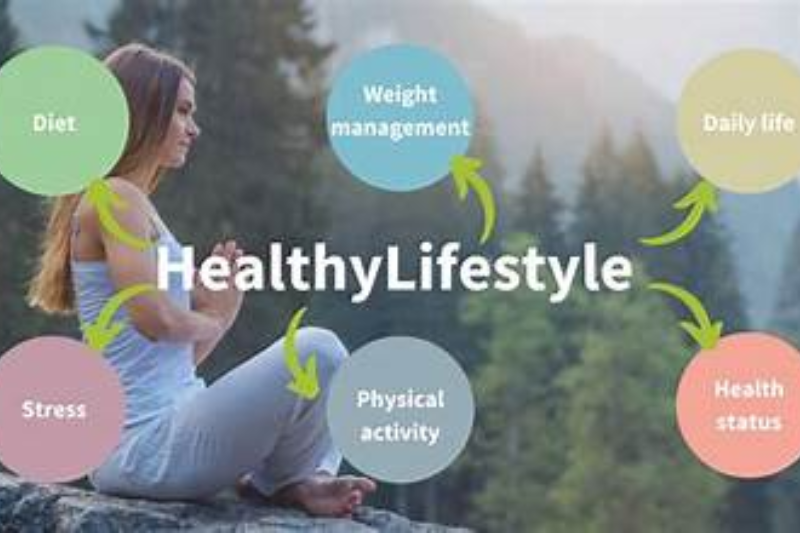
A healthy lifestyle is a way of living that helps you maintain good physical, mental, and emotional health. It includes eating nutritious foods, staying physically active, getting enough sleep, managing stress, drinking enough water, avoiding harmful habits, and maintaining positive relationships.
The goal isn’t to be perfect every day. Instead, it’s about making healthy decisions more often than unhealthy ones. Small changes practiced consistently can produce significant long-term results.
Why Following Healthy Lifestyle Tips Is Important
Your daily habits influence almost every aspect of your health. From your energy levels and mood to your heart health and immune system, the choices you make each day determine how you feel now and in the future.
Living a healthier lifestyle can:
- Improve your physical fitness
- Boost your immune system
- Reduce the risk of chronic diseases
- Improve mental health
- Increase energy levels
- Help maintain a healthy weight
- Improve sleep quality
- Increase life expectancy
- Enhance productivity
- Improve overall happiness
The earlier you adopt healthy habits, the greater the long-term benefits.
Top Healthy Lifestyle Tips You Should Follow
1. Eat a Balanced and Nutritious Diet
Food is your body’s primary source of energy. Eating a balanced diet provides essential nutrients your body needs to function properly.
Focus on eating:
- Fresh fruits
- Vegetables
- Whole grains
- Lean proteins
- Fish
- Eggs
- Beans
- Nuts
- Healthy fats like olive oil and avocado
Try to limit:
- Sugary drinks
- Fast food
- Processed snacks
- Excessive salt
- Refined sugar
- Deep-fried foods
Benefits
- Better digestion
- Stronger immune system
- More energy
- Healthier skin
- Improved heart health
Possible Drawbacks
- Healthy foods may seem more expensive in some areas.
- Meal preparation takes planning and time.
- Changing long-established eating habits can feel challenging at first.
2. Stay Physically Active
Exercise is one of the most effective healthy lifestyle habits.
You don’t need to become a professional athlete. Even moderate physical activity can dramatically improve your health.
Good activities include:
- Walking
- Jogging
- Cycling
- Swimming
- Yoga
- Dancing
- Strength training
Aim for at least 30 minutes of activity on most days of the week.
Benefits
- Strengthens muscles and bones
- Improves heart health
- Helps control weight
- Reduces stress
- Improves mood
- Increases stamina
Possible Drawbacks
- Starting too intensely can lead to injury.
- Lack of rest may cause fatigue or overtraining.
- Finding time to exercise can be difficult with a busy schedule.
3. Drink Enough Water
Water supports every major function in your body.
It helps regulate body temperature, transport nutrients, aid digestion, and remove waste products.
Simple hydration tips:
- Carry a reusable water bottle.
- Drink water before meals.
- Eat water-rich foods like cucumbers, oranges, and watermelon.
Benefits
- Better concentration
- Improved digestion
- Healthy skin
- More energy
- Reduced headaches caused by dehydration
Possible Drawbacks
- Drinking excessive amounts of water in a short time can be harmful, though this is uncommon.
- Frequent bathroom breaks may be inconvenient for some people.
4. Get Enough Sleep
Sleep is when your body repairs itself.
Adults generally need between 7 and 9 hours of quality sleep each night.
Poor sleep can negatively affect memory, mood, and physical health.
Tips for Better Sleep
- Sleep at the same time every day.
- Avoid caffeine late in the evening.
- Keep electronic devices away before bedtime.
- Make your bedroom cool, dark, and quiet.
Benefits
- Better memory
- Improved focus
- Stronger immune system
- Better mood
- Faster recovery
Possible Drawbacks
- Developing a regular sleep schedule may take time.
- Work shifts or family responsibilities can make consistent sleep difficult.
5. Manage Stress Effectively
Stress is part of life, but too much stress can affect both physical and mental health.
Healthy stress management techniques include:
- Meditation
- Deep breathing
- Walking outdoors
- Reading
- Listening to music
- Journaling
- Spending time with loved ones
Benefits
- Better emotional health
- Lower blood pressure
- Improved concentration
- Better sleep
- Reduced anxiety
Possible Drawbacks
- Stress-management techniques require regular practice.
- Different approaches work for different people, so it may take time to find what suits you.
6. Maintain a Healthy Weight
Maintaining a healthy weight supports overall wellness.
Avoid crash diets or unrealistic weight-loss goals. Instead, focus on sustainable habits that you can maintain over time.
Benefits
- Reduced risk of diabetes
- Better mobility
- Improved heart health
- Increased confidence
Possible Drawbacks
- Progress can be gradual.
- Weight changes may fluctuate naturally, which can feel discouraging if expectations are unrealistic.
7. Avoid Harmful Habits
Smoking, excessive alcohol consumption, and recreational drug use can seriously affect long-term health.
Replacing harmful habits with healthier alternatives can significantly improve your quality of life.
Benefits
- Healthier lungs
- Better heart health
- Lower cancer risk
- Increased life expectancy
Possible Drawbacks
- Quitting addictive habits can be difficult and may require professional support.
- Withdrawal symptoms may occur during the early stages of quitting.
8. Build Strong Social Relationships
Healthy relationships contribute to emotional well-being.
Spend quality time with family and friends, communicate openly, and seek support when needed.
Benefits
- Reduced loneliness
- Better mental health
- Increased happiness
- Stronger emotional resilience
Possible Drawbacks
- Building or repairing relationships takes time and effort.
- Not every relationship is healthy, so setting boundaries is sometimes necessary.
9. Schedule Regular Health Checkups
Prevention is often better than treatment.
Regular health checkups can detect problems early, when they are often easier to manage.
Recommended screenings depend on factors such as your age, family history, and personal health risks.
Benefits
- Early detection of health conditions
- Peace of mind
- Better long-term health outcomes
Possible Drawbacks
- Appointments may involve time and financial costs.
- Screening tests can occasionally lead to additional follow-up evaluations.
10. Stay Consistent
The biggest secret behind every healthy lifestyle is consistency.
One healthy meal won’t transform your health, just as one unhealthy meal won’t ruin it.
Focus on building habits rather than chasing quick results.
Remember:
Small daily improvements lead to remarkable long-term success.
You may also like to read these posts:
Additional Healthy Lifestyle Tips
Here are a few extra habits that can make a positive difference:
- Spend time outdoors every day.
- Limit screen time.
- Practice gratitude.
- Read books regularly.
- Learn new skills.
- Keep your home clean and organized.
- Laugh often.
- Practice mindful eating.
- Take regular breaks from work.
- Maintain good posture.
Benefits of Following Healthy Lifestyle Tips
Adopting healthy habits offers many long-term advantages.
Physical Benefits
- Stronger immune system
- Lower disease risk
- Better heart health
- Increased energy
- Healthier skin
- Better digestion
- Improved mobility
- Stronger muscles and bones
Mental Benefits
- Better focus
- Reduced stress
- Improved memory
- Higher self-confidence
- Better emotional balance
Social Benefits
- Improved relationships
- Greater confidence in social settings
- More opportunities to participate in activities
Financial Benefits
A healthy lifestyle may reduce medical expenses over time by lowering the likelihood of preventable illnesses. It can also reduce spending on unhealthy habits such as smoking or frequent fast food purchases.
Potential Challenges and Drawbacks
Although a healthy lifestyle has many advantages, there can be practical challenges:
- Healthy food may cost more in some locations.
- Busy schedules can make meal preparation and exercise difficult.
- Lifestyle changes require patience and consistency.
- Progress is often gradual rather than immediate.
- Social events can sometimes make healthy choices more challenging.
These drawbacks are usually temporary or manageable with planning and realistic expectations.
Common Mistakes to Avoid
Many people unintentionally slow their progress by making these mistakes:
- Skipping meals
- Following extreme diets
- Expecting instant results
- Ignoring sleep
- Drinking too little water
- Sitting for long periods
- Exercising without proper technique
- Giving up after minor setbacks
Instead of aiming for perfection, focus on steady improvement.
Conclusion
Living a healthier life doesn’t require perfection, expensive equipment, or dramatic changes overnight. The most effective healthy lifestyle tips are often the simplest: eat nutritious foods, stay active, drink enough water, sleep well, manage stress, and maintain positive relationships.
Every healthy choice you make is an investment in your future. There will be days when things don’t go according to plan, and that’s perfectly normal. What matters most is returning to your healthy habits and staying consistent over time.
Start with one small change today. Whether it’s taking a 20-minute walk, replacing a sugary drink with water, or adding an extra serving of vegetables to your dinner, every positive step brings you closer to a healthier, happier, and more fulfilling life.
Frequently Asked Questions (FAQs) About Healthy Lifestyle Tips
1. What are the most important healthy lifestyle tips?
The most important healthy lifestyle tips include eating a balanced diet, exercising regularly, drinking enough water, getting quality sleep, managing stress, avoiding harmful habits, and maintaining positive relationships. These habits work together to improve both physical and mental health.
2. How can I start living a healthy lifestyle?
You can start by making small changes instead of trying to change everything at once. Begin with simple steps like drinking more water, adding more fruits and vegetables to your meals, walking daily, improving your sleep routine, and reducing unhealthy habits.
3. Why is a healthy lifestyle important?
A healthy lifestyle helps improve your energy levels, strengthen your immune system, maintain a healthy weight, reduce the risk of chronic diseases, improve mental health, and increase your overall quality of life.
4. How much exercise do I need for a healthy lifestyle?
Most adults should aim for regular physical activity throughout the week. This can include activities like walking, cycling, swimming, or strength training. Even small amounts of daily movement can provide health benefits.
5. Can I follow healthy lifestyle tips without going to the gym?
Yes, you can maintain a healthy lifestyle without a gym membership. Walking, home workouts, stretching, yoga, gardening, and outdoor activities can all help you stay active and healthy.