
Introduction
Have you ever promised yourself that you’d start living a healthier lifestyle on Monday, only to find yourself slipping back into old habits a few days later? If so, you’re not alone. Building a healthy lifestyle isn’t about being perfect or making dramatic changes overnight. Instead, it’s about developing small, consistent routines that become part of your daily life.
The good news is that healthy habits for adults don’t have to be difficult. Whether you’re a busy professional, a parent juggling multiple responsibilities, or someone simply looking to improve your overall well-being, making healthier choices can have a lasting impact on your life.
Healthy habits improve your physical health, strengthen your immune system, increase your energy levels, reduce stress, and even improve your mood. More importantly, they help prevent many chronic diseases such as heart disease, diabetes, obesity, and high blood pressure.
In this comprehensive guide, you’ll discover the best healthy habits for adults, their benefits, possible drawbacks, and practical tips for making them part of your everyday routine.
What Are Healthy Habits?
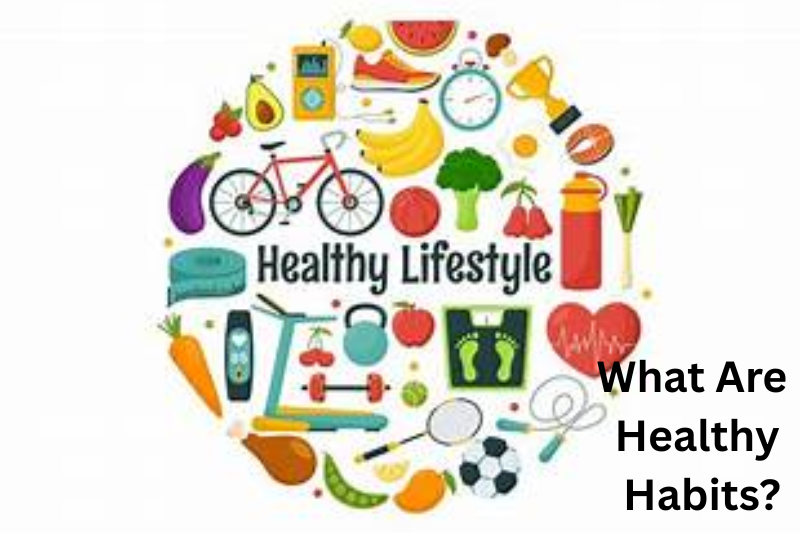
Healthy habits are positive behaviors that improve your physical, mental, and emotional well-being. They include everything from eating nutritious meals and exercising regularly to getting enough sleep and managing stress effectively.
Unlike quick fixes or fad diets, healthy habits are designed to last a lifetime. They create a strong foundation for better health and improved quality of life.
Why Are Healthy Habits Important?
Many people only think about their health when something goes wrong. However, prevention is always better than treatment.
Following healthy habits can:
- Reduce the risk of chronic diseases
- Improve heart health
- Increase life expectancy
- Boost energy levels
- Improve mental health
- Enhance productivity
- Strengthen the immune system
- Improve sleep quality
- Maintain a healthy weight
- Increase self-confidence
The earlier you begin developing healthy habits, the greater the long-term benefits.
1. Eat a Balanced and Nutritious Diet
Food is the fuel your body needs to function properly. Eating a balanced diet means providing your body with the right combination of nutrients.
A healthy meal should include:
- Fresh fruits
- Vegetables
- Whole grains
- Lean proteins
- Healthy fats
- Low-fat dairy or dairy alternatives
Try to reduce your intake of processed foods, sugary drinks, fried foods, and excessive salt.
Benefits
- Supports healthy weight management
- Provides long-lasting energy
- Improves digestion
- Strengthens the immune system
- Reduces the risk of heart disease
- Helps control blood sugar levels
- Improves brain function
Possible Drawbacks
- Healthy foods can sometimes be more expensive.
- Meal preparation requires planning and time.
- Adjusting to healthier eating may feel challenging at first.
Tips
- Prepare meals at home.
- Eat more vegetables with every meal.
- Replace sugary drinks with water.
- Practice portion control
2. Exercise Regularly
Exercise is one of the most powerful healthy habits for adults because it benefits nearly every part of the body.
Adults should aim for at least 150 minutes of moderate physical activity each week along with strength training exercises on two or more days.
Examples include:
- Walking
- Running
- Cycling
- Swimming
- Yoga
- Strength training
- Dancing
Benefits
- Strengthens muscles and bones
- Improves heart health
- Helps maintain a healthy weight
- Reduces stress and anxiety
- Improves sleep quality
- Increases energy
- Boosts confidence
Possible Drawbacks
- Overtraining can lead to injuries.
- Beginners may experience muscle soreness.
- Finding time to exercise can be difficult.
Tips
- Start with 20–30 minutes daily.
- Choose activities you enjoy.
- Exercise with a friend for motivation.
3. Drink Plenty of Water
Water is essential for almost every function in your body.
Proper hydration helps:
- Regulate body temperature
- Improve digestion
- Transport nutrients
- Remove waste
- Lubricate joints
Benefits
- Prevents dehydration
- Improves concentration
- Supports healthy skin
- Boosts energy
- Helps reduce headaches
Possible Drawbacks
- Drinking excessive amounts of water in a short time can be harmful, though this is uncommon.
- Frequent bathroom trips may be inconvenient.
Tips
- Carry a reusable water bottle.
- Drink water before meals.
- Increase water intake during hot weather or exercise.
4. Get Quality Sleep
Sleep is your body’s natural recovery process. Adults generally need 7–9 hours of sleep each night.
Poor sleep affects both physical and mental health.
Benefits
- Improves memory
- Supports immune function
- Reduces stress
- Enhances mood
- Improves focus
- Helps regulate hormones
Possible Drawbacks
There are no drawbacks to getting enough quality sleep. However, oversleeping regularly may sometimes be linked to underlying health issues or poor sleep quality and should be discussed with a healthcare professional if persistent.
Tips
- Follow a consistent sleep schedule.
- Avoid caffeine late in the day.
- Limit screen time before bed.
- Keep your bedroom quiet and comfortable.
5. Manage Stress Effectively
Stress is a normal part of life, but chronic stress can negatively affect your health.
Healthy stress-management techniques include:
- Meditation
- Deep breathing
- Reading
- Gardening
- Walking outdoors
- Spending time with loved ones
Benefits
- Reduces anxiety
- Improves emotional well-being
- Lowers blood pressure
- Improves focus
- Promotes better sleep
Possible Drawbacks
- Learning relaxation techniques takes practice.
- Some methods may not work equally well for everyone.
6. Maintain a Healthy Weight
Maintaining a healthy weight reduces pressure on your heart, joints, and internal organs.
A healthy weight comes from balanced eating, regular exercise, and consistent healthy habits rather than crash diets.
Benefits
- Lowers disease risk
- Improves mobility
- Increases energy
- Boosts confidence
- Supports joint health
Possible Drawbacks
- Weight loss may occur slowly, which can feel discouraging.
- Focusing too heavily on the scale can become stressful; overall health matters more than a single number.
7. Avoid Smoking and Limit Alcohol
Smoking and excessive alcohol consumption increase the risk of serious health problems.
Reducing or avoiding these habits can significantly improve your health.
Benefits
- Better lung function
- Improved heart health
- Lower cancer risk
- Increased life expectancy
- Better skin health
Possible Drawbacks
- Quitting smoking or reducing alcohol can involve withdrawal symptoms or cravings, and some people benefit from medical support or counseling during this process.
8. Stay Socially Connected
Strong relationships contribute to better mental and emotional health.
Spend time with:
- Family
- Friends
- Neighbors
- Community groups
Benefits
- Reduces loneliness
- Improves mental health
- Builds emotional resilience
- Provides support during difficult times
Possible Drawbacks
- Maintaining relationships requires time and effort.
- Not every social interaction is positive, so healthy boundaries are important.
9. Practice Good Personal Hygiene
Personal hygiene is an essential part of healthy living.
Good hygiene includes:
- Washing hands regularly
- Brushing teeth twice daily
- Showering regularly
- Wearing clean clothes
- Keeping nails trimmed
Benefits
- Prevents infections
- Improves confidence
- Promotes overall health
Possible Drawbacks
There are generally no drawbacks. However, excessive washing or overusing harsh products may irritate the skin.
10. Schedule Regular Health Checkups
Many health conditions develop silently.
Regular medical checkups can detect problems early, making treatment more effective.
Benefits
- Early detection of diseases
- Better long-term health
- Peace of mind
- Personalized health advice
Possible Drawbacks
- Appointments can take time and may involve costs depending on your healthcare coverage.
You may also like to read these posts:
Common Mistakes Adults Make

Many people unintentionally slow their progress by making these common mistakes:
- Skipping breakfast
- Eating too much fast food
- Drinking sugary beverages every day
- Sitting for long periods
- Sleeping too little
- Ignoring mental health
- Following extreme diets
- Expecting instant results
- Giving up after a setback
Remember, consistency is more valuable than perfection.
Tips for Building Healthy Habits
Building healthy habits takes time, but these strategies can make the process easier:
- Start with one habit at a time.
- Set realistic goals.
- Track your progress.
- Celebrate small achievements.
- Prepare healthy meals in advance.
- Keep healthy snacks nearby.
- Find an accountability partner.
- Stay patient and flexible.
Small improvements repeated daily often lead to significant long-term results
Conclusion
Developing healthy habits for adults is one of the best investments you can make in your future. Healthy living isn’t about strict rules or perfection—it’s about making consistent choices that support your physical, mental, and emotional well-being.
Start with one or two habits that feel manageable, and gradually build from there. Over time, these small actions can lead to greater energy, better health, improved confidence, and a higher quality of life. Remember, every positive choice you make today brings you one step closer to a healthier and happier tomorrow.
Frequently Asked Questions (FAQs) About Healthy Habits for Adults
1. What are the most important healthy habits for adults?
The most important healthy habits for adults include eating a balanced diet, exercising regularly, drinking enough water, getting quality sleep, managing stress, avoiding harmful substances, maintaining social connections, and scheduling regular health checkups. These habits support both physical and mental well-being.
2. Why are healthy habits important for adults?
Healthy habits help adults maintain a strong body, improve energy levels, reduce the risk of chronic diseases, support mental health, and improve overall quality of life. Consistent healthy choices can also help you stay active and independent as you grow older.
3. How can adults start building healthy habits?
The best way to build healthy habits is to start small. Choose one habit at a time, such as walking for 20 minutes daily, drinking more water, or adding more vegetables to your meals. Once the habit becomes part of your routine, gradually add more positive changes.
4. How much exercise do adults need every week?
Most adults should aim for at least 150 minutes of moderate-intensity physical activity each week, along with muscle-strengthening activities on two or more days. Activities like walking, cycling, swimming, and strength training can help improve overall fitness.
5. What foods should adults eat for a healthier lifestyle?
Adults should focus on a balanced diet that includes fruits, vegetables, whole grains, lean proteins, healthy fats, and plenty of water. It is also helpful to reduce processed foods, excess sugar, and foods high in unhealthy fats