
Introduction
Starting a fitness journey is one of the best decisions you can make for your health, but it can also feel confusing. There are countless workout plans, diet trends, fitness influencers, and conflicting advice online. It’s easy to wonder, “Where do I even begin?”
The good news is that you don’t need expensive gym equipment, complicated workout routines, or years of experience to get fit. Every expert was once a beginner, and every successful fitness journey starts with one simple step.
If you’re looking for fitness tips for beginners, this guide will walk you through everything you need to know. We’ll cover how to start exercising, what to eat, common mistakes to avoid, the benefits and drawbacks of beginning a fitness routine, and practical advice to help you stay motivated for the long term.
Whether your goal is weight loss, muscle gain, improved health, increased energy, or simply feeling better every day, this guide will help you build a sustainable fitness lifestyle.
What Is Fitness?
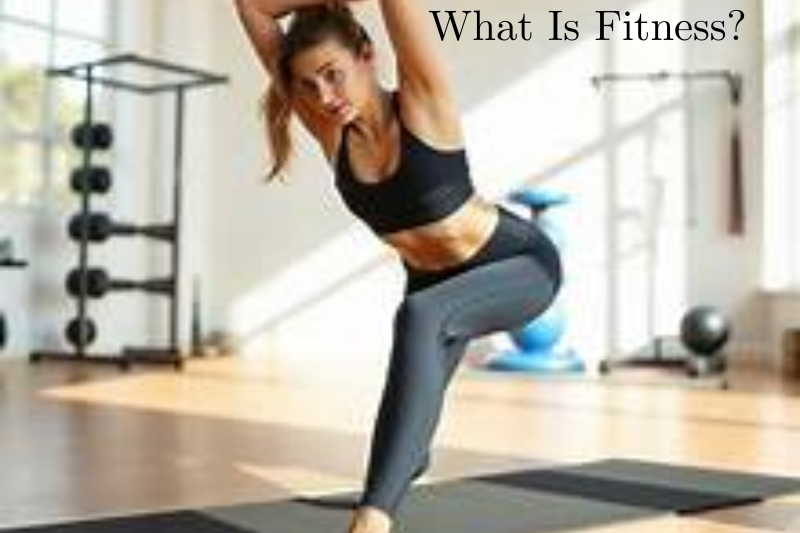
Fitness is more than having visible muscles or losing weight. It is your body’s ability to perform daily activities efficiently while maintaining good physical and mental health.
A well-rounded fitness routine improves:
- Cardiovascular health
- Muscle strength
- Flexibility
- Balance
- Endurance
- Mental well-being
- Overall quality of life
Fitness is a lifelong journey rather than a short-term challenge.
Why Should Beginners Start Exercising?
Many people delay starting because they believe they need to be in shape before they exercise. In reality, exercise is what helps you get into shape.
Regular physical activity can:
- Improve heart health
- Strengthen muscles and bones
- Increase energy levels
- Support healthy weight management
- Reduce stress and anxiety
- Improve sleep quality
- Lower the risk of chronic diseases
- Boost confidence and self-esteem
Even 20–30 minutes of activity several times a week can make a noticeable difference over time.
Top Fitness Tips for Beginners
1. Start with Realistic Goals
One of the biggest reasons people quit fitness is setting unrealistic expectations.
Instead of saying:
“I want to lose 30 pounds in one month.”
Try saying:
- I will walk for 30 minutes four times this week.
- I will exercise three days every week.
- I will drink more water every day.
Small goals build confidence and create lasting habits.
2. Begin Slowly
Your body needs time to adapt to physical activity.
Avoid exercising intensely every day during your first week.
Instead:
- Walk regularly.
- Perform simple bodyweight exercises.
- Increase workout intensity gradually.
Starting slowly reduces injury risk and makes exercise enjoyable.
3. Choose Activities You Enjoy
Fitness should never feel like punishment.
Try different activities such as:
- Walking
- Cycling
- Swimming
- Dancing
- Yoga
- Hiking
- Home workouts
- Gym training
- Pilates
You’ll stay consistent if you genuinely enjoy your workouts.
4. Always Warm Up
A proper warm-up prepares your muscles and joints for exercise.
Simple warm-up ideas include:
- Walking
- Arm circles
- Hip rotations
- Leg swings
- Light jogging
Spend 5–10 minutes warming up before every workout.
5. Learn Proper Exercise Form
Many beginners believe lifting heavier weights gives faster results.
The opposite is often true.
Correct form:
- Prevents injuries
- Improves muscle activation
- Builds strength safely
- Increases workout effectiveness
If possible, ask a qualified trainer for guidance or use reliable instructional resources.
6. Include Strength Training
Strength training is essential for everyone—not just bodybuilders.
Benefits include:
- Increased muscle strength
- Better posture
- Stronger bones
- Higher calorie burn at rest
- Improved balance
Beginner exercises include:
- Squats
- Push-ups
- Lunges
- Glute bridges
- Planks
- Dumbbell presses
- Resistance band exercises
Train major muscle groups two or three times per week.
7. Don’t Ignore Cardio
Cardiovascular exercise improves heart and lung health.
Examples include:
- Brisk walking
- Running
- Cycling
- Swimming
- Jump rope
- Rowing
Aim to gradually build toward at least 150 minutes of moderate-intensity cardio each week.
8. Eat Nutritious Foods
Exercise works best when paired with healthy eating.
Focus on:
Protein
Helps repair and build muscles.
Sources include:
- Chicken
- Fish
- Eggs
- Greek yogurt
- Beans
- Lentils
- Tofu
Complex Carbohydrates
Provide energy.
Examples:
- Brown rice
- Oats
- Sweet potatoes
- Whole-grain bread
- Quinoa
Healthy Fats
Support hormones and brain health.
Examples:
- Nuts
- Seeds
- Olive oil
- Avocados
- Fatty fish
Fruits and Vegetables
Rich in vitamins, minerals, antioxidants, and fiber.
Try filling half your plate with colorful vegetables and fruit.
9. Stay Hydrated
Water supports:
- Muscle function
- Joint lubrication
- Body temperature regulation
- Energy levels
- Recovery
Drink water throughout the day, not just during workouts.
10. Prioritize Sleep
Exercise creates tiny tears in muscles.
Sleep is when your body repairs those muscles.
Aim for:
7–9 hours of quality sleep each night.
Better sleep leads to:
- Improved recovery
- Better workout performance
- Stronger immune system
- Better mood
11. Schedule Rest Days
Many beginners believe more exercise equals faster progress.
Actually, muscles grow while recovering.
Take at least one or two rest days each week.
Rest days may include:
- Walking
- Stretching
- Yoga
- Mobility exercises
12. Track Your Progress
Progress is more than body weight.
Track:
- Workout consistency
- Weight lifted
- Walking distance
- Body measurements
- Energy levels
- Progress photos
These indicators often show improvement before the scale does.
You may also like to read these posts:
Benefits of Following Fitness Tips for Beginners
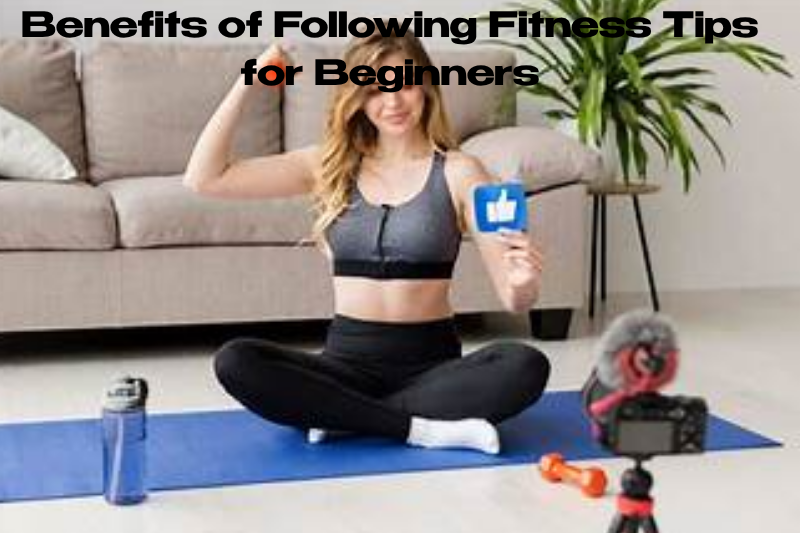
Starting a fitness routine offers many short-term and long-term advantages.
Physical Benefits
- Improved heart health
- Stronger muscles and bones
- Better flexibility and mobility
- Increased stamina and endurance
- Healthy weight management
- Reduced risk of diabetes, high blood pressure, and obesity
- Better posture and balance
Mental Benefits
Exercise supports mental well-being by:
- Reducing stress
- Improving mood
- Boosting confidence
- Increasing focus
- Enhancing memory
- Promoting better sleep
- Reducing symptoms of anxiety and depression
Lifestyle Benefits
- More daily energy
- Better productivity
- Increased confidence
- Healthier habits
- Greater independence as you age
- Improved overall quality of life
Drawbacks and Challenges Beginners May Face
Although fitness has many advantages, beginners may encounter some challenges.
1. Muscle Soreness
Your muscles may feel sore after new exercises.
This is normal and usually improves as your body adapts.
2. Risk of Injury
Poor technique or doing too much too soon can lead to injuries.
Learn proper form and increase intensity gradually.
3. Lack of Motivation
Some days you won’t feel like working out.
Building a routine is more reliable than waiting for motivation.
4. Slow Results
Visible changes take time.
Focus on consistency rather than expecting overnight transformation.
5. Time Management
Busy schedules can make exercise difficult.
Even short workouts of 20–30 minutes are valuable.
6. Information Overload
Social media often promotes unrealistic expectations and conflicting advice.
Stick to simple, science-based habits instead of chasing every trend.
Sample Weekly Workout Plan for Beginners
Monday
- 30-minute brisk walk
- Stretching
Tuesday
- Full-body strength workout
- Core exercises
Wednesday
- Light walk or yoga
Thursday
- Cardio workout
- Mobility exercises
Friday
- Strength training
- Stretching
Saturday
- Cycling, swimming, or hiking
Sunday
- Rest and recovery
Common Mistakes Beginners Should Avoid
- Skipping warm-ups
- Ignoring recovery
- Lifting too much weight too soon
- Following fad diets
- Comparing yourself with others
- Exercising without a plan
- Not drinking enough water
- Inconsistent workouts
- Neglecting proper nutrition
Avoiding these mistakes will help you build a safer and more enjoyable fitness routine.
Tips to Stay Motivated
Staying motivated can be challenging, especially during the first few weeks.
Try these strategies:
- Set realistic milestones.
- Celebrate small achievements.
- Exercise with a friend.
- Listen to music or podcasts.
- Keep a workout journal.
- Take monthly progress photos.
- Remember why you started.
Motivation may come and go, but consistent habits lead to lasting results.
Conclusion
Starting a fitness journey doesn’t require perfection—it requires consistency. The best fitness tips for beginners focus on building healthy habits that you can maintain over time. Begin with realistic goals, choose activities you enjoy, eat nutritious foods, stay hydrated, and give your body enough rest to recover.
Remember that progress looks different for everyone. Some weeks you’ll feel stronger, while other weeks you may simply maintain your routine—and that’s still progress. Instead of chasing quick results, focus on creating a balanced lifestyle that supports your physical and mental well-being.
Every workout, healthy meal, and positive choice adds up over time. Start where you are, use what you have, and keep moving forward. Your future self will appreciate the commitment you make today.
Frequently Asked Questions (FAQs) About Fitness Tips for Beginners
1. What are the best fitness tips for beginners?
The best fitness tips for beginners are to start slowly, set realistic goals, choose exercises you enjoy, focus on proper form, eat a balanced diet, stay hydrated, and remain consistent. You don’t need to do intense workouts from the beginning. Building a healthy routine step by step is the best way to achieve long-term results.
2. How often should a beginner work out?
A beginner should aim to exercise around 3 to 5 days per week. A balanced routine can include strength training, cardio, stretching, and rest days. Your body needs time to recover, so exercising every single day is not necessary when you’re just starting.
3. How long should a beginner workout last?
For most beginners, a 20 to 45-minute workout is enough. The goal is not to spend hours exercising but to create a consistent habit. As your fitness level improves, you can gradually increase your workout duration and intensity.
4. Can beginners get fit without going to the gym?
Yes, beginners can improve their fitness without a gym membership. Many effective exercises can be done at home, including:
Squats
Push-ups
Lunges
Planks
Walking
Yoga
Resistance band exercises
5. What exercise should beginners start with?
Beginners should start with simple exercises that improve strength, endurance, and mobility. Walking, bodyweight exercises, light strength training, and beginner-friendly cardio are excellent choices. Choose activities that match your current fitness level and gradually increase difficulty.